The Versatile Use of 10mm EVA Foam in Fashion Design
Intro
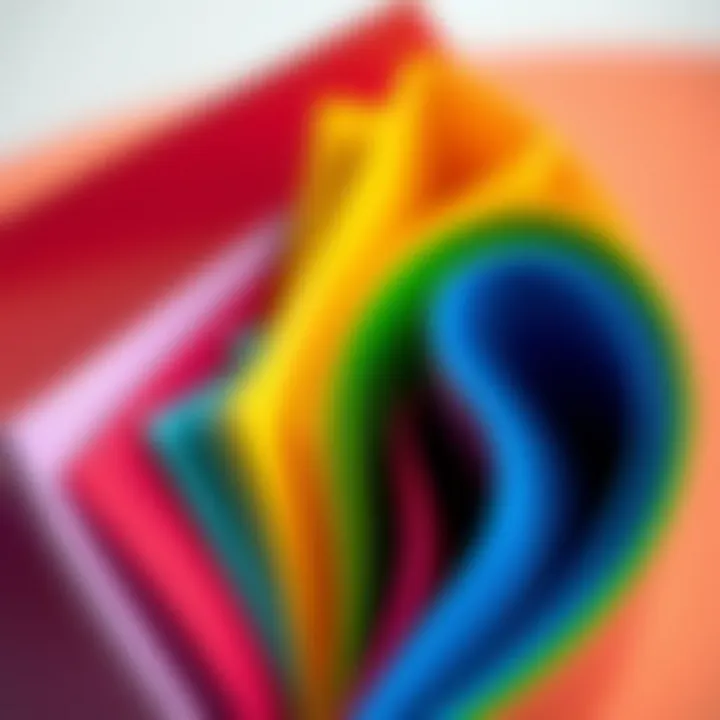
The world of fashion and design is in a constant state of flux, influenced by trends, culture, and innovation. In recent years, 10mm EVA foam has emerged as a game-changer in this domain, proving its versatility in various applications. Its unique properties—lightweight, durable, and easily moldable—make it an ideal candidate for a range of creative endeavors. Designers across the globe are beginning to embrace this material for everything from eye-catching accessories to functional footwear.
As we delve into the depths of EVA foam’s capabilities, it becomes clear that its significance extends beyond mere aesthetics. It plays a crucial role in sustainable fashion practices, offering an eco-friendly alternative to traditional materials. We'll examine how those working in the textile industry can harness its potential, providing practical guidance for both professionals and DIY enthusiasts. We aim to explore the multifaceted applications of EVA foam while offering insight into fashion trends, innovative textiles, and sustainable practices that shape today's design landscape.
In this exploration, readers will uncover the various ways 10mm EVA foam intersects with current trends, leading to fresh opportunities in fashion and design. The aim is to equip designers, stylists, and creators with the knowledge to fully leverage this adaptable material.
Prologue to EVA Foam
As the world of fashion and design evolves, materials that balance practicality and aesthetics are becoming essential. One such material that has gained traction is EVA foam, particularly in its 10mm form. This subsection aims to unravel the essence of EVA foam—its composition, characteristics, and significance in contemporary applications. Understanding this material lays the groundwork for recognizing its multifaceted uses, especially in fashion.
Definition and Composition
Acrylonitrile butadiene styrene, often abbreviated as EVA, stands for ethylene-vinyl acetate. Quite simplistically, it is a copolymer, meaning it combines the properties of two different polymers to create a product with enhanced qualities. Its structure features ethylene and vinyl acetate—these components contribute unique characteristics, making it suitable for various applications. EVA foam is formed through a process known as foaming, which creates a cellular structure. This gives rise to the lightweight yet durable foam we see in many products today.
Properties of EVA Foam
The key properties of EVA foam differentiate it from other materials. Understanding these features can help designers and creators harness its potential effectively.
Flexibility and Resilience
One of the standout characteristics of 10mm EVA foam is its flexibility. This means that items made from EVA foam can bend and stretch without losing their shape. This elasticity contributes to comfort, especially in footwear, padding, and fashion accessories. Moreover, resilience is vital; the foam returns to its original shape even after repeated use. Thus, for fashion professionals, this flexibility and resilience make EVA foam an appealing option for designs that require both form and functionality.
Water Resistance
Another significant property of EVA foam is its water resistance, which spells out its suitability in various scenarios. Fashion designers have embraced this feature, especially when creating items that may encounter moisture or spills. For instance, EVA foam is often employed in shoes and bags that need to withstand the elements, giving wearers added peace of mind. Its ability to repel water while maintaining structural integrity makes it a valuable choice in today’s fast-paced fashion world.
Lightweight Nature
Last, but by no means least, is the lightweight nature of EVA foam. This property makes it an advantageous candidate for fashion designers looking to create wearable items that don’t overburden the consumer. No one thinks that cumbersome accessories are stylish. Moreover, the lightweight quality opens up opportunities for layering techniques without causing discomfort. Whether creating intricate designs or simple pieces, the low weight of EVA foam becomes a game-changer.
EVA foam exemplifies the blend of creativity and functionality in design, making it a must-have material in the toolkit of progressive fashion professionals.
In summary, understanding the definition, composition, and core properties of EVA foam, especially its 10mm thickness, equips designers and artisans with the necessary insights to innovate and implement it effectively in their creations. With advantages like flexibility, water resistance, and lightweight nature, it’s clear why EVA foam has captured attention in the fashion industry.
The Relevance of 10mm Thickness in Fashion
When discussing materials utilized in fashion and design, the thickness of a product can significantly influence its functionality and aesthetic appeal. In the context of 10mm EVA foam, this specific thickness bridges several important aspects that make it a favored choice among designers and fabricators alike. Not only does it provide the right balance of support and flexibility, but it also opens the door to various creative applications.
Balance Between Structure and Comfort
Striking a balance between structure and comfort is paramount in fashion, especially when it comes to wearable items. At 10mm, EVA foam boasts enough thickness to offer rigidity, which is crucial for items that require shape retention, such as shoes or structured bags. However, it doesn’t skimp on comfort, allowing for cushioning without sacrificing style. The significant flex of the material at this thickness can adapt to movements, making garments and accessories feel more natural on the body.
EVA foam’s ability to contour to different shapes ties directly into its functionality. A well-designed shoe, for instance, requires a solid foundation that hugs the foot without pinching or discomfort. The 10mm thickness meets this need, offering just the right support while allowing breathability and movement—an essential combination for a successful design.
Applications in Clothing and Accessories
Footwear Construction
In the sphere of footwear, 10mm EVA foam has carved out a notable niche. The cushioning properties of this thickness help reduce impact, which is especially important for athletes or individuals on their feet all day. Notable for its durability as well, this foam can withstand wear and tear without giving up on comfort.
Crafting shoes with EVA foam allows designers to mix and match styles—everything from fashionable sneakers to sophisticated dress shoes can benefit from this versatile material. Its lightweight nature means that the shoes are easy to wear, making it a popular choice among consumers.
- Key Feature: Cushioning and durability.
- Advantages: Lightweight and flexible, conforming to the foot's shape.
- Disadvantages: Might lack the structured support found in heavier materials.
Padding in Bags
When it comes to bags, 10mm EVA foam shines as a prime candidate for padding. It provides an excellent buffer between the contents of the bag and the outside world, ensuring that delicate items are protected without adding significant weight. Many designers appreciate how this foam can be cut to fit various styles, from backpacks to clutches.
The unique feature here is the foam's shock-absorption capacity, which can be especially beneficial for tech-laden bags. Today’s consumers often carry laptops and tablets everywhere they go, and protecting these gadgets is not just a bonus—it’s a necessity. Using 10mm EVA foam in padding allows designers to create stylish, functional bags that don’t compromise on safety.
- Key Feature: Protective padding.
- Advantages: Customizable and lightweight.
- Disadvantages: May compress over time with extensive use.
Layering Techniques
Finally, layering techniques using 10mm EVA foam can elevate designs to new heights. This thickness allows for layering without adding excessive bulk, making it ideal for intricate fashion statements. Designers can create textures and shapes that would be hard to achieve with thicker materials.
Layering can also introduce visual interest, with different colors or finishes easily applied to various layers. This versatility can be key in fashion shows or artistic presentations, where novel designs capture attention and spark conversations.
The real charm lies in the ability to create stunning visual effects while keeping the pieces lightweight and functional. After all, no one wants a design that looks great but weighs down the wearer.
- Key Feature: Versatile for artistic layering.
- Advantages: Lightweight and easy to manipulate.
- Disadvantages: Can require additional work to maintain structural integrity in designs.
"Using 10mm EVA foam creatively allows for endless possibilities in fashion. It can be structural, protective, or decorative—sometimes all three!"
In summary, the versatility of 10mm thickness in EVA foam allows for a sweet spot that marries style, comfort, and practicality across several applications in fashion and design.
Sustainability Aspect of EVA Foam
In an era where sustainability has become a hot-button issue, the relevance of materials in fashion and design cannot be overstated. The sustainability aspect of EVA foam plays a pivotal role in influencing eco-friendly practices within the industry. EVA foam, especially in the 10mm thickness, offers unique benefits that align with sustainable production methods. This section will delve into how EVA foam can harmoniously fit into sustainable fashion trends.
EVA Foam in Sustainable Fashion
EVA foam presents a promising opportunity for creating sustainable fashion products. Its remarkable durability paired with lightweight properties makes it an ideal candidate for makers looking to minimize waste and promote longevity in their creations. Rather than just being another product on the market, EVA foam can be seen as part of a broader ethos towards ethical design. In many collections, designers currently harness the flexibility of EVA foam to produce innovative and stylish items that stand the test of time.
For instance, consider how footwear brands utilize EVA foam for soles, which not only provides comfort but can also reduce the need for replacements, hence cutting down overall material waste. Using EVA foam aligns fashion with values of recycling and reusing, significantly contributing to a greener footprint.
Recyclability and Disposal
In discussing EVA foam's lifecycle, it is imperative to address its recyclability and proper disposal methods. EVA foam, unlike many conventional materials, can be re-utilized, which is a critical aspect for designers keen on sustainability.
End-of-life Solutions
When the time comes for EVA foam products to retire, end-of-life solutions provide ways to manage this phase effectively. Many manufacturers have begun to develop recycling programs specifically for EVA foam products, allowing consumers to return their items rather than tossing them in the trash.
Key characteristics of end-of-life solutions include:
- Circular economy principles: This supports re-use and transformation of materials, as opposed to their disposal.
- Collaboration with recycling companies: Such initiatives often engage local or specialized recycling businesses, promoting community welfare.
This option stands out as a beneficial choice because it encourages consumers to make conscious decisions, hoping to steer the fashion industry towards a more sustainable future. End-of-life solutions not only alleviate waste but also demonstrate the potential for EVA foam to adapt in service of eco-conscious living.
Environmental Considerations
When thinking about the environmental impact of EVA foam, certain environmental considerations come to mind. The production of EVA foam involves fewer harmful chemicals compared to many synthetic materials, reducing emissions and chemical runoff. By opting for EVA foam over less sustainable alternatives, brands take a significant step towards preserving the environment.
Interestingly, EVA foam can often withstand extreme conditions, making it suitable for outdoor applications. This resilience means that products can live longer, which indirectly lessens the carbon footprint associated with frequent replacements. A consideration that adds to its appeal is that the material does not disintegrate into microplastics as easily as some plastics, posing a reduced threat to ecosystems.
In summary, the sustainability aspect of EVA foam is a fascinating area that demonstrates the interplay between fashion and environmental mindfulness. The insights into recyclability, disposal, and innovative solutions illustrate how this material not only contributes to stylish designs but also aligns with the growing demand for sustainability in the industry.
Creative Uses of 10mm EVA Foam
The adaptability of 10mm EVA foam is a game changer in creative realms like fashion and design. From personal projects to professional applications, the ways one can utilize this material knows no bounds. It encourages innovation and artistic expression. In this section, we will explore DIY projects and innovative applications that demonstrate the multifaceted nature of EVA foam.
DIY Projects with EVA Foam
Creating Fashion Accessories
Creating with 10mm EVA foam allows for an engaging and hands-on experience in the realm of fashion accessories. One of its standout features is its lightweight nature. This makes it a favored material among fashion designers looking to craft bold yet comfortable pieces. Accessories made from EVA foam can range from earrings to bags, allowing for varied forms and intricate designs. The material can be dyed or painted easily, providing artists the freedom to experiment with colors and textures.
Advantages of EVA Foam in Accessories:
- Durability: It withstands wear and tear, ensuring pieces retain their shape.
- Customizability: Artists can mold and shape the foam, creating unique designs.
- Affordability: Compared to leather or other fabrics, EVA foam presents a budget-friendly alternative for aspiring designers.
However, designing accessories also comes with challenges. While EVA foam can be molded, the techniques vary in difficulty and may require practice. Newcomers might experience a learning curve in mastering these skills.
Custom Footwear Design
Custom footwear is another exciting avenue where 10mm EVA foam truly shines. The cushioning properties of this foam provide support, making it an appealing option for shoes. Comfortable and easy to mold into various shapes, it lends itself well to both casual and artistic designs. The foam can be layered for added thickness or cut to fit, allowing for a tailored approach.
Key Highlight: The flexibility of EVA foam allows for dynamic designs that can accommodate personal style and foot shape preferences. This flexibility makes EVA foam a great candidate for trendy streetwear or high-fashion runway pieces.
While the benefits are numerous, designers should also consider that not all EVA foams are created equal in terms of comfort. It's essential to source high-quality variants to ensure the final product is as comfortable as it is stylish.
Innovative Fashion Applications
Costume Design
Costume design benefits immensely from the properties of EVA foam. Designers can create elaborate costumes that require a durable yet lightweight material. The foam's versatility allows for crafting intricate details and embellishments that might be challenging with other materials.
Why use EVA for costumes?
- Ease of Replication: Allow for multiple pieces to be produced with the same design without losing detail.
- Safety: Lightweight foam reduces stress on the wearer, making it ideal for performances that require extensive movement.
One considerable drawback is the potential for overheating when wearing EVA foam, especially during long events. Correct ventilation is necessary to ensure comfort for the wearer.
Art Installations
In the artistic sphere, EVA foam paves new pathways for creativity through art installations. Its lightweight nature enables artists to construct large-scale works with relative ease, making ambitious projects more feasible. The ability to cut and shape the foam into diverse forms leads to imaginative expressions of artistry, adding unique textural elements to the installations.
Feature of EVA in Art: Its adaptability allows artists to experiment with color combinations and three-dimensional shapes, resulting in eye-catching displays. This advantage carries substantial weight in the context of modern art, where innovation is key.
However, like any material, the foam has limitations. It might not endure changing outdoor elements, making it less ideal for permanent installations. Thus, artists should weigh the prospects and challenges when deciding to use EVA foam for their projects.
In summary, the creative uses of 10mm EVA foam are vast and varied. Whether crafting fashion accessories, designing footwear, crafting costumes, or creating art installations, the flexibility and unique characteristics of this material offer numerous possibilities for innovation and expression.
Challenges in Working with EVA Foam
When it comes to harnessing the innovative characteristics of 10mm EVA foam, the journey is not without its bumps. While this material shines in versatility, it's important to lay bare the challenges designers and creators might encounter. Understanding these complexities can streamline the creative process and enhance the end product’s quality.
Handling and Fabrication Limitations
Working with EVA foam demands a certain level of skill, particularly when it comes to handling and fabrication. While it boasts a lightweight nature, the manipulation of EVA foam can be tricky. For instance, cutting it requires precision and the right tools; a simple mistake can lead to uneven edges or unintended shapes. Some creators find that heavier-duty cuts may cause the foam to rip or tear instead of yielding a clean cut.
Moreover, layering this foam for projects like footwear or accessories means ensuring that each layer adheres properly without compromising structural integrity. A common pitfall is estimating the correct thickness for multiple layers, as too much thickness might result in a cumbersome final product, while too little could render the design ineffective. Designers also need to consider temperature fluctuations. EVA foam can become less malleable in cold conditions, making fabrication more challenging.
Adhesives and Bonding Techniques
Adhering EVA foam to itself or other materials is another hurdle that can easily catch a designer off guard. While there are many adhesive options available, the right choice is crucial for ensuring durability and longevity in any design. The bonding techniques employed significantly impact the structural stability of the end product.
Selecting the Right Adhesive
When it comes to selecting the right adhesive, a designer must consider various factors—each adhesive behaves differently with EVA foam.
A popular choice is contact cement, known for its strong grip and flexibility. This type of adhesive allows movements within the foam without compromising the bond. However, it requires meticulous application, as misalignment can prove difficult to rectify once the adhesive has set.
Another option is hot glue; it can be great for quick projects but can lack durability under certain conditions. Using it in environments with significant temperature change can cause the bond to weaken.
In exploring these choices, it becomes clear that while some adhesives offer simplicity, others provide a stronger bond but demand higher precision in application to avoid redoing the work.
Tips for Strong Bonding
Strengthening the bond between pieces of EVA foam is also about the right techniques and practices. Here are some tips to ensure that a designer achieves a solid connection:
- Surface Preparation: Always clean the surfaces to be bonded; dust and dirt can compromise the integrity of the bond.
- Consistent Pressure: When placing bonded pieces together, applying consistent pressure during the curing phase is essential. This can be achieved through weights or clamps.
- Curing Time: Allow adequate time for the adhesive to set, avoiding any premature handling of the assembly.
- Test Samples: Conducting tests with samples before plunging into larger designs can save a lot of time and frustration.
"A stitch in time saves nine," rings true here. Taking the time to get it right with adhesives can save future headaches.
By navigating these challenges carefully, designers can utilize both the aesthetic and practical properties of 10mm EVA foam while crafting stunning pieces that stand the test of time and usage. Understanding the fabric and its preservative care is key, making the venture into working with EVA foam both rewarding and fruitful.
Tools and Techniques for Working with EVA Foam
Working with EVA foam is a unique experience, different from conventional materials. Grasping the right tools and techniques is critical to achieving the desired results. The use of proper tools not only enhances the crafting experience but also allows for precision in creating intricate designs. This section discusses essential tools and finishing techniques that make working with 10mm EVA foam not only feasible but enjoyable.
Essential Tools for Crafting
Cutting Tools
Cutting tools are the backbone of any EVA foam project. Using the right cutting tool ensures clean edges and accuracy, which are vital when crafting items like accessories or footwear. Commonly, utility knives are favored for their adaptability; they allow for precise cuts following templates or intricate designs. A notable advantage of using a sharp knife is its ability to slice through the foam without dulling the edge too quickly, saving time and effort.
Moreover, a hot knife can offer an edge over traditional methods. This tool cuts and seals the edge simultaneously, resulting in cleaner finishes and less fraying. However, bear in mind that hot knives require careful handling to avoid burns or mishaps when working on detailed tasks.
Heat Tools
Heat tools serve a twofold purpose in EVA foam crafting – shaping and bonding. A heat gun stands out, as it is capable of softening the foam, allowing artisans to mold it into curves or other desired shapes. This quality remains especially useful when creating unique designs that require a high level of customization. Besides, the balance of temperature control is paramount; too much heat can damage the foam.
Another heat-related option includes foam-forming molds. Utilizing these tools can bring a third dimension to your work. Bending foam around a mold after applying heat creates a snug fit that elevates the aesthetics of any project. However, some artisans may find this method cumbersome without prior experience.
While heat tools offer flexibility and creativity, it is essential to approach their usage with caution. Combustion risks or unintentional distortion of material can arise without the right expertise. The outcome can be rewarding, though, as the finished look often captures an elegance not easily achieved with traditional methods.


Finishing Techniques
Finishing techniques play a crucial role in the end result of any EVA foam project. They can transform a rough-cut piece into an elegant and professional-looking design. Here, we dive into the critical aspects of sealing edges and applying decorative finishes, both of which enhance the durability and aesthetic appeal of your creation.
Sealing Edges
One of the key aspects of sealing edges involves adding a layer of protection to prevent fraying. A smooth edge not only enhances the look of the product but also provides longevity against wear and tear. Many crafters opt for fabric sealants or contact adhesives to achieve this desired finish. The seal provides a barrier from moisture, which is essential when using your creations in various environments.
Sealing edges is particularly beneficial for items that undergo repeated use, such as footwear or bags. Products like Fray Check help stabilize the material, ensuring that it maintains its shape and quality even after extensive wear. While some may see the sealing process as an extra step, its benefits significantly outweigh the time invested.
Decorative Finishes
Decorative finishes add a personal touch, showcasing creativity. Whether it's painting, embossing, or applying textures, these enhancements elevate the project to an artistic level. One of the most appealing characteristics of decorative finishes is the ability to make the foam mimic different materials, such as leather or fabric.
Custom finishes can make a seemingly simple product stand out in a competitive market. However, care should be taken to select appropriate products that adhere well to EVA foam without compromising its integrity. Some artists incorporate pigments or dyes in their finishes, creating a unique color palette that catches the eye. While they enhance the aesthetics, maintaining the piece's flexibility is crucial. In summary, decorative finishes can turn ordinary designs into extraordinary expressions of artistic flair.
"The right tools and techniques are essential to harnessing the full potential of EVA foam, making even the most ambitious designs achievable."
The Future of EVA Foam in Fashion
The future of EVA foam, particularly in its 10mm thickness, holds numerous possibilities in the fashion sphere. As the industry continuously evolves, staying attuned to advancements in material science is essential for designers and makers alike. The lightweight yet durable characteristics of EVA foam expand creative horizons, while addressing practical and avant-garde application needs. Understanding emerging trends and potential enhancements offers designers a toolkit for innovative solutions in their work.
Trends in Material Innovation
Material innovation is at the forefront of fashion evolution. Designers are constantly on the lookout for materials that not only serve functional purposes but also complement aesthetic visions. EVA foam fits snugly into this niche. Its versatility allows for experimentation with forms and textures that were challenging to achieve with traditional fabrics.
The trend towards flexible, sculptural designs means that designers can manipulate EVA foam into captivating shapes that catch the eye. By incorporating vibrant colors and patterns, designers can create unique accessories and clothing pieces, allowing style to flourish without compromising comfort. In addition, advancements in printing technology mean that the surface of EVA foam can now be decorated with intricate designs, further pushing the boundaries of what can be created.
This innovation in material usage reflects a broader shift in fashion towards personalization and uniqueness, where each piece can become a statement of individuality instead of just another item off the rack.
Potential Developments in EVA Formulations
Enhanced Durability
Durability is a significant aspect in evaluating materials for fashion design. Enhanced durability in EVA foam means that items crafted from it can hold up against wear and tear longer than their predecessors. This characteristic resonates especially with designers who wish to create pieces intended for daily use, ensuring that consumers receive value for their investment.
The key feature of this durability is attributed to advancements in the chemical composition of EVA foam itself. By redefining its structure, manufacturers can produce a foam that withstands stress without compromising flexibility. This durability ensures that clothing and accessories maintain their form and functionality.
Some benefits include:
- Reduced wear from daily use, leading to longer life spans for products.
- Minimal maintenance required, allowing consumers to focus on enjoyment rather than upkeep.
However, it’s worth noting that enhancing durability may introduce complexities in the crafting process. Designers may need to adapt their techniques to accommodate the varying properties of newer formulations. This adjustment might require additional training or experimentation to find the most effective methods.
Improved Eco-Friendliness
As sustainability takes center stage in many industries, the volatility of materials, including EVA foam, calls for significant focus on eco-friendliness. Improved formulations that prioritize environmental consciousness aim to reduce the ecological footprint of EVA foam production.
This characteristic differentiates EVA foam from other synthetic materials, garnering attention from brands that are committed to sustainable practices. Innovations could lead to the use of bio-based raw materials that meet high-performance standards without depleting finite resources, making it a wise choice for environmentally aware designers.
Key aspects of Improved Eco-Friendliness include:
- Lower emissions during production processes, leading to a smaller carbon footprint.
- Potential for biodegradable options, aligning with circular fashion concepts.
Nonetheless, the development of eco-friendly formulations often presents challenges. Manufacturers need to find a balance between sustainability and material performance, ensuring that quality is not compromised for the sake of being green.
Overall, the trajectory for EVA foam in the fashion industry embraces both creative innovation and sustainable development. These advancements hold promise, empowering fashion designers to craft compelling products while being mindful of environmental impacts.
End
Reflecting on the diverse applications and properties of 10mm EVA foam, we can identify its crucial role in the fashion industry. This material is not just a fad; it’s reshaping how designers think about structure, comfort, and sustainability. The insights gathered throughout this article illustrate how 10mm EVA foam boasts a blend of flexibility and resilience that allows for innovative design while maintaining user comfort.
One fundamental aspect of this foam is its ability to bridge the gap between functionality and aesthetics. It's lightweight, which is particularly important in fashion, where heavy materials can compromise wearability. Many designers find that using EVA foam in footwear construction results in a product that breathes well, supports movement, and lasts for an extended period. This is especially seen in custom designs, where EVA allows artists to realize their vision without being bogged down by the usual limitations of traditional materials.
Moreover, EVA foam's sustainability aspect cannot be overlooked. With growing concerns about the environmental impact of fashion, employing this material in sustainable practices highlights a conscientious choice, promoting recycling and minimal waste. Given the gradual integration of eco-friendly materials in fashion, designers are empowered to contribute to a greener future while still adhering to contemporary trends.
Summary of Key Points
- EVA Foam’s Properties: The unique characteristics of 10mm EVA foam, such as flexibility, lightweight nature, and water resistance, offer substantial benefits for fashion applications. Its capacity to provide structure without adding bulk makes it an excellent option across various garments and accessories.
- Applications and Innovations: From footwear to bags, the versatility of 10mm EVA foam is vividly showcased through various accessories and garments. It allows for creative expressions in costume design and DIY projects, empowering designers and enthusiasts alike.
- Sustainability Focus: The commitment to sustainable fashion practices can be bolstered through the use of EVA foam. Its recyclability and potential for minimal environmental impact align seamlessly with rising eco-conscious trends in the industry.
Final Thoughts on 10mm EVA Foam
To sum it all up, 10mm EVA foam stands at a confluence of creativity and responsibility. It enables designers to create innovative and distinct pieces while addressing the critical need for sustainability within the industry. In a world where fashion is often dissected by its societal implications, embracing materials like EVA foam could foster a deeper connection between aesthetics and ethics.
Ultimately, the future of fashion may heavily rely on the versatility and sustainability of materials such as 10mm EVA foam. As we push boundaries in design, it’s essential to remain mindful of how our choices affect the world we’re part of. For those entering or growing within the fashion industry, understanding and leveraging the potential of this foam could be key to not only crafting beautiful items but also weaving together a responsible and forward-thinking narrative in fashion.