Exploring the Aesthetics of Color Changing Mushroom Lamps
Intro
In our modern world, where the line between beauty and functionality is increasingly blurred, color changing mushroom lamps emerge as a unique fusion of artistry and practicality. These lamps not only illuminate spaces but also add a whimsical, dynamic element to interior design. With their ability to shift hues according to mood or theme, they captivate not only the eye but also the imagination. The merger of advanced technology with playful aesthetics invigorates contemporary decor, making these lamps more than mere light sources—but rather, a statement of style and consciousness.
Exploring this intriguing topic provides a comprehensive understanding of how color changing mushroom lamps have carved their niche in the world of fashionable interior solutions. From the materials used in their production to the cultural significance they carry, each facet offers a lens through which we can view the evolution of modern lighting design.
Moreover, as eco-consciousness burgeons, these lamps symbolize an intersection of sustainability and style, appealing to today’s consumers who value both function and ethical practices. This article seeks to delve into the depths of their design aesthetics, technical prowess, and the myriad ways they can enhance various settings, thus bridging the gap between creativity and conscious living.
Prelude to Color Changing Mushroom Lamps
In recent times, color changing mushroom lamps have emerged as a fascinating element in the world of interior design. These whimsical yet functional pieces are not just about illumination; they symbolize a broader movement towards combining aesthetics with eco-friendliness. Within the realm of modern decor, such lamps offer unique customization options, allowing individuals to express their personalities through color and mood.
The significance of delving into color changing mushroom lamps lies in their ability to transform spaces, creating ambiances that suit various occasions. Their charm extends beyond mere looks; they resonate with those seeking alternative, sustainable lighting solutions. It's a conversation starter, an innovative approach to home beauty that aligns with eco-conscious living—highlighting the beauty in nature-inspired designs.
Definition and Overview
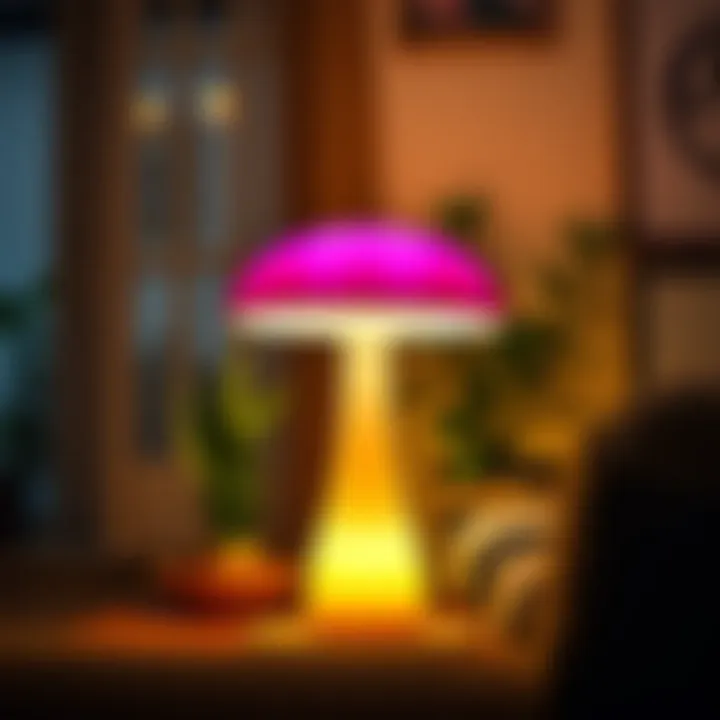
Color changing mushroom lamps are distinctive lighting fixtures that mimic the organic shapes and colors of mushrooms, integrating advanced technology to provide versatile lighting options. They typically feature color-changing LED bulbs, enabling users to select or cycle through various hues to complement their environment or mood. With the simple press of a button or through remote control, one can switch from a soft, warm white to vibrant purples or calming blues, altering how a room feels entirely.
These lamps not only serve a practical purpose but also usher a playful aesthetic into spaces, making them great additions to homes, offices, and commercial spaces alike. They often blur the lines between functional lighting and artistic expression, displacing traditional light sources like incandescent or fluorescent lamps as consumers seek more imaginative options.
Emergence in Modern Decor
The rise of color changing mushroom lamps in contemporary decor can be attributed to several factors. First, there’s an increasing inclination towards personalization in interior design, where individuals want their spaces to reflect their individuality and creativity. Mushroom lamps sit at this intersection, offering both uniqueness and interactive design.
Moreover, the cultural and social narratives surrounding sustainability have never been more relevant. As consumers become more discerning and environmentally aware, color changing mushroom lamps satisfy a demand for stylish and eco-friendly products. They often utilize energy-efficient materials that reduce carbon footprints and showcase a commitment to sustainability.
Incorporating these lamps into various settings enhances not only visual appeal but also functional versatility. They can ease the transition from day to night, transforming a workspace into a cozy nook, or setting a mood for relaxation after a long day. This blend of form and function is a hallmark of modern design, encouraging one to look beyond conventional boundaries of lighting.
Design Elements of Mushroom Lamps
The design of mushroom lamps plays a crucial role in their appeal and function as modern decor items. These lamps bridge the gap between artistry and utility, removing the ordinary stigma from illumination. Particularly, they stand out due to their whimsical shapes and vibrant color-changing features, which can transform a mundane space into a captivating visual experience. When evaluating the design of these lamps, two main components come to the forefront: aesthetic features and material composition, which significantly contribute to their popularity among fashion designers and interior decorators alike.
Aesthetic Features
Aesthetic appeal is not just about looking good; it's about how a piece interacts with its environment and evokes emotional responses. Color changing mushroom lamps embody a whimsical essence that captures attention and imagination, turning routine interiors into enchanting realms. The playful design of mushroom shapes appeals to varied audiences—from kids loving their quirky silhouettes to adults appreciating their chic charm. These lamps often feature rounded tops accompanied by sturdy stems, resulting in an organic look that fosters a sense of warmth and comfort in any room.
They often come in an array of colors and patterns, encouraging users to integrate their personal style and mood into their living spaces. For instance, a bright green hue may convey energy in a workspace, while softer blues or purples can create a relaxing atmosphere in a bedroom. The adjustable light settings further enhance this feature, allowing lamp owners to toggle through different colors to suit their shifting preferences or the needs of various occasions.
The integration of light into these designs also plays a significant role. The soft glow emitted by these lamps adds a layer of ambiance that can elevate both residential and commercial environments. They capture attention and serve as conversation starters, making them suitable for everything from cozy homes and trendy cafes to artistic exhibition spaces. Ultimately, the aesthetic features of mushroom lamps highlight their multifunctionality and trendy appeal, marrying form with function beautifully.
Material Composition
Delving deeper into the materials used in mushroom lamps reveals a vital aspect of their design that influences both durability and visual appeal. Typically crafted from a mixture of plastic, glass, and sometimes even ceramic, the choice of materials directly impacts the lamp’s aesthetic and thermal properties.
Plastic is a common choice for many designs. It allows for vibrant colors and the ability to mold into intricate shapes easily. Since plastic is lightweight, these lamps are often portable, making it easy to move them around as desired. However, not all plastics are created equal; recent trends have seen more designers opting for eco-conscious, recyclable options to cater to a growing demand for sustainability in decor.
Glass, on the other hand, offers a refined look and temperature stability. It provides a premium feel and is often used in higher-end designs. However, glass lamps tend to be more fragile, requiring careful handling.
Ceramic adds an artisanal touch, with unique handcrafted pieces that stand out significantly in the art world. Each ceramic mushroom lamp tells its own story, thanks to variations in glaze and design. That said, these are usually heavier and less portable than their plastic counterparts.
In the materials aspect, the practicality of an environmentally responsible choice holds great significance. Sustainable materials in mushroom lamp production—such as bamboo, eco-friendly LED technology, and organic paints—are increasingly being favored. This reflects consumer preferences shifting towards products that align with a vision of responsible design.
In summary, the weighty focus on both aesthetic features and material composition not only enhances the overall design of mushroom lamps but also raises important considerations regarding their impact on surroundings and sustainability, making these lighting solutions a quintessential part of modern decor.
Technology Behind Color Changing Features
Understanding the technology behind color changing mushroom lamps is crucial in appreciating their innovative design and functionality. These lamps are not just aesthetic additions to spaces; they are crafted with cutting-edge technology that enhances your ambiance and caters to diverse moods. In this section, we will delve into the specifics of LED technology and the various control mechanisms that make these lamps a staple in modern interior design.
LED Technology in Lighting
At the heart of most color changing mushroom lamps lies LED technology, which has transformed the lighting landscape. Light Emitting Diodes (LEDs) are known for their energy efficiency and longevity. Unlike traditional bulbs, LEDs consume significantly less electricity while providing the same, if not better, luminosity.
- Low Energy Consumption: LEDs are revered for their low wattage. This means that users not only save money on utility bills but also reduce their carbon footprint. In fact, utilizing LEDs over conventional incandescent bulbs can lead to a cut in energy use by about 80%.
- Diverse Color Options: One of the standout features of LED technology is its ability to produce a wide spectrum of colors. This diversity allows for personalization of light ambiance—from tranquil blues for relaxation to vibrant reds for energetic settings. Users can easily shift the atmosphere just with a tap or click.
- Long Lifespan: LEDs boast a lifespan of around 25,000 to 50,000 hours compared to traditional bulbs that may last only 1,000 hours. This longevity means fewer replacements and less waste, aligning perfectly with eco-conscious values.
Control Mechanisms
The versatility of color changing mushroom lamps comes not just from their glow but from the advanced control mechanisms that govern it. Various methods are employed to manage these lamps, enhancing user experience.
- Remote Controls & App Integration: Many modern lamps come equipped with remote controls or integrate seamlessly with smartphone apps. This allows users to adjust brightness and color from the comfort of their seat. Imagine dimming the lights or shifting from a calming green to a cheerful yellow—all with a swipe on your phone.
- Voice Activation Features: Remarkably, some lamps are compatible with smart home systems like Amazon Alexa or Google Home. This means you can simply tell your lamp what color or brightness you want, making it immensely convenient and smart.
- Touch Sensors: Some designs incorporate touch-sensitive technology, permitting users to change colors and intensity with just a gentle touch. It's an elegant solution that ties into the organic design concept of mushroom lamps.
The technology of color changing mushroom lamps goes beyond aesthetics; it embodies a fusion of functionality and innovation that can seamlessly blend into modern life.
In summary, the underlying technology of color changing mushroom lamps is both sophisticated and user-friendly. Emphasizing energy efficiency and personalization, these lamps illustrate how effective technology can transform everyday interior spaces into personalized sanctuaries.
Cultural Implications of Mushroom Lamps
Mushroom lamps, with their whimsical silhouettes and vibrant colors, serve not only as functional decor items but also as cultural symbols that resonate with various design philosophies. Understanding the cultural implications of these unique lighting features opens a window into how they influence and reflect societal values around aesthetics, nature, and sustainability.
Symbolism of Mushrooms in Design
Mushrooms have long been associated with nature, magic, and transformation in various cultures around the globe. They traditionally stand for growth and connectivity in the natural world, which echoes through designs that feature organic shapes and earthy tones. The use of mushroom motifs in lamps incorporates these associations into our everyday lives, creating a sense of harmony between the home environment and the outside world.
A famous example can be found in Japanese culture, where mushrooms embody a connection to spirituality and the earth. The minimalist aesthetic prevalent in Japanese interior design often embraces natural materials alongside forms inspired by flora, making a color-changing mushroom lamp an ideal candidate for this decor style. It elevates the ordinary while maintaining a soothing ambiance that correlates with Zen philosophies.
Moreover, the psychoactive properties of some mushrooms have led to their representation in art and design as symbols of exploration, creativity, and the avant-garde. This speaks to how such lamps can spark conversation, acting as a catalyst for deeper discussions about perception, experience, and personal growth.
Some designers are drawing on these symbolic meanings, producing pieces that not only serve their practical purpose but also carry a narrative. The emotional engagement that comes with seeing a mushroom lamp that changes color can act as a gentle reminder of the night sky or a forest's hues. It transforms spaces into realms of wonder, evoking feelings of nostalgia or curiosity, depending on the colors displayed.
Impact on Interior Trends
The aesthetic qualities of mushroom lamps have left their mark on contemporary interior design trends. In an age where eclectic and maximalist styles are gaining traction, these lamps can often be seen as a focal point in interiors. Their playful designs and versatility align well with current preferences for combining past and present aesthetics, layering different textures, patterns, and colors.
- Kitch and Maximalism: Mushroom lamps fit seamlessly into kitsch and maximalist spaces, where vibrant colors and unconventional shapes reign supreme. They can be integrated into crowded shelving units or prominently displayed on side tables, making statements in both residential and commercial settings.
- Sustainable Decor: As society becomes increasingly eco-conscious, the demand for sustainably designed furnishings has risen. Mushroom lamps, often constructed with eco-friendly materials, not only satisfy aesthetic desires but also cater to the broader movement toward sustainability. This allows designers and consumers alike to experience style without sacrificing environmental responsibility.
- Sync with Biophilic Design: An emerging trend aligns with biophilic design principles, focusing on incorporating nature into interiors. Mushroom lamps, with their natural shapes and ability to mimic organic light variations, resonate deeply within this concept. Their presence adds to the vitality of a living space, fostering well-being and a sense of connection to nature.
In summary, the cultural implications of color changing mushroom lamps extend far beyond their functionality. They resonate with natural symbolism, influence current interior design trends, and cater to a growing demand for eco-friendly decor. As these lamps continue to be embraced in modern settings, they embody the merging of artistry with the principles of sustainability, ultimately creating spaces that reflect thoughtful choices infused with character.
"Mushroom lamps encapsulate a wonder that draws from folklore, nature, and contemporary design, proving that lighting can transcend mere utility to become a meaningful part of our lives."
For further exploration into the symbolism and impact of design in interior spaces, consider reviewing resources such as Wikipedia or Britannica.
Functional Benefits of Color Changing Lamps
Color changing mushroom lamps have slowly carved a niche in both modern decor and functional lighting. The importance of exploring the functional benefits of these lamps buttresses their unique capabilities beyond mere aesthetics. By understanding these functional attributes, designers and homeowners alike can make informed decisions that enhance both the ambiance and utility of their living spaces.
Versatility of Use
One of the standout features of color changing mushroom lamps is their versatility. Unlike traditional lighting, which often serves a single purpose, these innovative lamps can adapt to various settings and moods. Imagine a cozy living room; during movie night, you can set the lamp to a soft blue or violet hue, creating a calming atmosphere. Conversely, for a lively gathering, a vibrant red or green might inject energy into the space.
The adaptability doesn't end at home; these lamps fit right into commercial environments too. A trendy cafe might utilize color changing lights to reflect different themes—from a warm amber in the early morning to bright whites or even neon colors at night. This kind of versatility allows interior designers and business owners to express their branding effectively and contribute to customer experience.
- Home Settings: Ideal for living areas, bedrooms, and dining spaces.
- Commercial Use: Suitable for cafes, restaurants, and retail environments.
- Events: Perfect for parties, weddings, or any gathering needing dynamic lighting.
From workspaces to cozy reading corners, the ability to modify the color enhances the spaces' functionality, making it adaptable for various activities. Such flexibility encourages creativity, enabling users to experiment with different colors and styles according to their preferences.
Mood Enhancement
The mood-enhancing capabilities of color changing mushroom lamps can hardly be overstated. By leveraging the psychological impact of colors, these lamps can significantly influence the atmosphere in a room. Colors communicate cues to our brains; for instance, blues and greens are often linked with tranquility, while yellows can invoke feelings of happiness and warmth.
Studies in color psychology suggest that the right hue can improve productivity, stimulate relaxation, or even energize a crowd. Having lamps that can shift in color allows individuals to curate their environment based on the mood they want to promote.
"Color is a power which directly influences the soul." — Wassily Kandinsky
Things to consider:
- Warm Colors: Foster energy and excitement, ideal for social areas.
- Cool Colors: Encourage relaxation, perfect for bedrooms or study spaces.
- Neutral Shades: Useful when needing a blend of various activities without strong emotional influence.
The quick switch from warm to cool lighting can even help with transitions throughout the day, from lively family breakfasts to tranquil evening reflections.
In summary, the functional benefits of color changing lamps extend far beyond their immediate visual appeal. Their versatility and ability to enhance mood address practical concerns while opening up avenues for expressive design. This dual capacity makes them increasingly attractive to those looking for style without sacrificing functionality.
Maintenance and Care
Maintaining color changing mushroom lamps is essential for both their functionality and aesthetic appeal. Just like any decor item, these lamps require regular upkeep to ensure they continue to bring delight and color into environments. The right care not only uplifts their appearance but also extends their lifespan. With the increasing popularity of such lamps among fashion enthusiasts and eco-conscious consumers, understanding how to maintain them becomes crucial.
Cleaning Procedures
Cleaning your color changing mushroom lamps isn’t a laborious task, but it is necessary to keep them looking fresh. Here’s how to tackle it:
- Power Down: Always unplug the lamp before starting any cleaning tasks. This simple step can prevent any electrical issues or accidental changes in settings.
- Dusting: Use a soft, dry microfiber cloth to gently wipe away dust. Avoid using abrasive materials as they can scratch the lamp's surface.
- Cleaning Solution: For tougher grime or smudges, a mild soap solution works well. Dab a clean cloth in the solution and wring it out to ensure it's not too wet. Wipe the lamp gently, making sure not to let any solution seep into the electrical components.
- Drying Off: Once cleaned, let the lamp air dry completely before plugging it back in to avoid moisture damage.
These straightforward procedures help maintain the lamp's appearance, ensuring it remains a bright spot in any room.
Longevity Tips
To get the longest life out of your color changing mushroom lamps, consider these essential tips:
- Placement Matters: Avoid placing lamps in direct sunlight or near heat sources. Such environments can degrade materials and cause fading over time.
- Regular Checks: Every month, check for any signs of wear, including frayed cords or flickering lights. Addressing these issues early can prevent more significant problems later on.
- Use Wisely: Color changing elements are typically more intense when used frequently. If you’re looking to conserve energy and help your lamp last longer, consider setting it to a lower brightness or using it selectively.
- Storage Considerations: If you plan on storing the lamp, keep it in a cool, dry place, preferably in its original packaging to prevent dust and potential damage.
- Follow Manufacturer Instructions: Each lamp may come with specific care instructions. Always refer to the user manual for guidance tailored to your specific product.
By practicing these longevity tips, you can ensure that your color changing mushroom lamps remain an integral part of your decor for years to come.
Applications in Different Environments
Understanding how color changing mushroom lamps can fit into different environments is crucial for both aesthetic appeal and functional utility. Their versatility allows them to be integrated into various settings, adding a modern touch while adapting to the specific mood of the space. The appeal lies not merely in their eye-catching designs but also in how they foster ambiance, ease of use, and eco-friendliness. By exploring key areas such as home decor and commercial spaces, we can unpack their multifaceted applications.
Home Decor
In residential settings, color changing mushroom lamps transform spaces through the interplay of light and color. Whether placed on a bedside table, in a cozy corner, or as part of a minimalist setup, these lamps serve several psychological and functional purposes. The ability to switch colors creates an atmosphere that aligns with the homeowner's intentions—be it relaxation, focus, or celebration.
- Mood Variability: A light that shifts from a calming soft blue to an energizing bright yellow can influence one's mood. Homeowners can select hues to match their daily activities—cool tones during work hours for concentration, warmer tones for unwinding in the evenings.
- Design Cohesiveness: Incorporating these lamps into existing decor can elevate a space. From loud and vibrant colors that grab attention to more subdued shades that blend into a tranquil setting, color changing lamps offer endless combinations.
- Functionality Meets Aesthetics: Beyond visually appealing designs, many lamps also incorporate practical aspects like dimming functions. This means they are not just pretty to look at, but also adaptable to various lighting needs, enhancing both the day-to-day experience and special occasions.
One example of a successful integration could be seen in a living room where these lamps serve as the focal point, surrounded by neutral-toned furniture. The contrast sets a welcoming tone for guests while allowing homeowners to tailor the space to their taste.

Commercial Spaces
In commercial environments, color changing mushroom lamps offer significant benefits, both in attracting customers and setting the desired ambiance. From upscale restaurants to collaborative workspaces, these lamps find a place everywhere. Here are a few ways they can make a difference:
- Attracting Attention: Businesses use color engaging lamps strategically to draw customers in. Think of a café where bright colors pulse softly, making it a hotspot for younger crowds seeking a vibrant atmosphere. The dynamic lighting can set the tone for a lively gathering or a cozy night out.
- Brand Identity: Firms often align lighting choices with their brand ethos. A tech startup might choose sleek, modern lamps that dynamically change color in tune with project presentations, stimulating creativity and innovation among its employees.
- Enhancing Customer Experience: For retailers, adjusting lighting according to the time of day or special promotions can alter shopper behavior, prompting them to linger longer. Subtle shifts in light can influence buying decisions, as mood plays a significant role in consumer psychology.
As illustrated, the adoption of color changing mushroom lamps in commercial spaces is not just about illumination; it's about crafting an experience that cultivates a connection between the environment and its occupants.
In both home and commercial settings, the application of mushroom lamps provides diverse benefits, showcasing their adaptability to change and innovate while remaining a stylish addition.
Sustainability Aspects
In the modern landscape of interior design, especially with the rising focus on eco-conscious consumer behavior, sustainability has become a cornerstone of product development. The topic of sustainability concerning color changing mushroom lamps reveals multifaceted insights that are crucial for designers, consumers, and businesses alike. It addresses not just the environmental footprints of the lamps but also highlights consumer preferences for sustainable materials and energy efficiency.
Eco-friendly Materials
When considering color changing mushroom lamps, the selection of eco-friendly materials is vital. Today’s manufacturers are turning to sustainable alternatives, moving away from non-biodegradable plastics. For instance, many lamps utilize recycled materials or sustainably sourced wood, which not only reduce waste but also lower emissions during production.
Moreover, biodegradable options are gaining traction in the lighting industry. A product crafted from materials that can decompose after their lifecycle—like bamboo or organic polymers—not only minimizes environmental impact but also appeals to the environmentally conscious consumer.
When choosing materials, a few factors should be prioritized:
- Renewability: Materials that can be regenerated naturally.
- Lifecycle Assessment: Understanding the environmental cost from production to disposal.
- Local Sourcing: Sourcing materials close to manufacturing sites reduces transportation emissions.
"Using eco-friendly materials in lamps isn't just a trend; it's a necessary shift that reflects a commitment to the planet's health."
Energy Efficiency
The energy consumption of lighting has long been a concern, and with color changing mushroom lamps, energy efficiency comes to the forefront. These lamps primarily utilize LED technology, which is renowned for its low-energy demands. In contrast to traditional incandescent bulbs, which can waste significant energy in heat, LED lamps convert most of their energy into usable light.
Here are some benefits of using energy-efficient color changing lamps:
- Lower Electric Bills: The less energy consumed translates directly to reduced costs on electricity bills.
- Longevity: LED lights last significantly longer than traditional bulbs, meaning less frequent replacements and reduced waste.
- Minimal Carbon Footprint: Reduced energy needs result in fewer fossil fuels burned for electricity production.
To encapsulate, understanding sustainability aspects is essential for anyone in the field of design or those engaging with modern decor. By consciously choosing eco-friendly materials and prioritizing energy efficiency, both manufacturers and consumers can play a role in promoting a healthier planet, affirming that beauty should not come at the expense of ecological responsibility.
Buying Guide for Consumers
Understanding the landscape of color changing mushroom lamps is essential for consumers looking to enhance their spaces. This guide provides a detailed look at what to consider when making a purchase. Given the rising popularity of these unique lighting solutions, being well-informed can help you make decisions that align with both your aesthetic and functional needs.
Key Features to Consider
When shopping for a color changing mushroom lamp, there are several key features to take into account:
- Color Modes: Look for lamps that offer multiple color options. Some models allow for a gradual transition between colors, while others provide specific colors or presets.
- Brightness Levels: Adjustable brightness can be crucial. A lamp that can dim or brighten can create the perfect ambiance for various occasions, whether it's a dinner party or a cozy night in.
- Material Quality: Pay attention to materials used in the lamp's construction. High-quality materials often result in better durability and overall aesthetic appeal. For example, lamps made from ceramic or high-grade plastics tend to be more appealing than their cheaper counterparts.
- Power Source: Consider whether the lamp uses batteries or has a direct plug-in feature. Battery-operated models offer more portability, while plug-in variants tend to have longer-lasting power and brightness.
- Smart Features: With the rise of smart home technology, many lamps now come with app compatibility or voice control options through platforms like Google Assistant or Amazon Alexa. This can add extra convenience to your lighting experience.
By evaluating these features against your specific needs, you can make a well-rounded decision that enhances your environment effectively.
Price Range Analysis
The cost of color changing mushroom lamps can vary widely based on several factors including brand, materials, and technological features. Generally, you might find:
- Budget Models ($20 - $50): These lamps usually offer basic functionalities with fewer color options and may use more standard materials.
- Mid-range Models ($50 - $100): In this range, expect better build quality, a wider array of color choices, adjustable brightness, and possibly some smart features.
- Premium Models ($100 and above): Such lamps typically have high-end designs, advanced control options via smartphone applications, and durability that often justifies the price tag. These options are ideal for design-savvy consumers looking to make a statement in their decor.
"Investing in a quality lamp can not only illuminate your space but also elevate its style quotient."
When establishing a budget, consider how frequently you will use the lamp and what features are most essential to your lifestyle. A thoughtful investment now could save you money in the long run by avoiding frequent replacements.
Future Trends in Lighting
In the dynamic world of interior design, lighting plays a pivotal role, much akin to the final brush strokes on a canvas. As we look towards the horizon in lighting design, particularly with color changing mushroom lamps, we notice a profound shift towards sustainability, personalization, and technological integration. Understanding these trends not only raises awareness but also shapes our purchasing behaviors, ensuring we stay ahead in the fast-paced realm of home décor.
One of the standout elements in this evolution is the advancement in technology. The integration of smart home capabilities into lamp design has made significant strides. Consumers now seek not just functional lighting but interactive experiences. Imagine walking into a room where the lights adjust to your mood or the time of day; these are no longer visions from the future but reality today. This is especially evident with color changing lamps that can not only change colors but can be controlled seamlessly through mobile apps or smart speakers. This seamless integration of technology enhances user experience and offers a customizable ambiance tailored to individual preferences.
Moreover, manufacturers are placing a premium on innovative design concepts. The mushroom lamp represents a playful yet refined aesthetic, appealing not only to the eye but also serving as a conversation starter. Designs are increasingly incorporating more organic shapes and materials that resonate with nature, encouraging a harmonious blend with interior spaces. This trend aligns with the growing eco-conscious movement, as more consumers are inclined to choose designs that reflect their values without compromising style.
"The evolution of design doesn't just stop at aesthetics; it's an ongoing dialogue between form, functionality, and the ethos of sustainability."
As we forge ahead, it’s evident that the future of lighting, especially in the context of color changing mushroom lamps, will revolve around these central themes: interactivity, innovation, and sustainability. Keeping an eye on these trends is essential for designers, homeowners, and retailers alike, as they not only enhance the illumination of spaces but also contribute to a holistic lifestyle that values aesthetics, functionality, and environmental consciousness.
Understanding these evolving trends opens doors to new possibilities. By embracing these changes, we position ourselves not just as passive consumers but as active participants in the transformation of our living spaces.
Comparison with Traditional Lighting
In the evolving landscape of interior design, the choice between color changing mushroom lamps and traditional lighting can significantly influence both aesthetic appeal and functional effectiveness. This comparison sheds light on several critical elements, helping consumers understand the benefits, considerations, and implications of each to ensure informed decision-making.
Advantages of Color Changing Lamps
Color changing lamps are turning heads, and it’s not just for their whimsical designs but for some very valid reasons:
- Versatility in Ambiance: Many color changing lamps allow users to select multiple colors or even cycle through colors, tailoring the light to fit different moods or activities. One might prefer a soft blue for relaxation or a vibrant red for a party atmosphere.
- Energy Efficiency: Most of these lamps use LED technology, requiring less energy compared to traditional incandescent bulbs. This means lower energy bills and a smaller carbon footprint, appealing to eco-conscious consumers.
- Innovative Tech Integration: Many modern mushroom lamps come equipped with smart technology that connects with apps for remote control. Owners can change settings, adjust brightness, or even set timers from the palm of their hands.
- Unique Design: The design itself often incorporates playful mushroom shapes that not only serve as a light source but also a fun decoration. Adding a splash of personality to a room can be just as important as the light itself.
Challenges Faced by Traditional Options
When we stack traditional lighting against its colorful modern counterpart, the limitations become quite pronounced:
- Limited Color Palettes: Traditional lights are often confined to a singular color output, usually a bright white or yellow, which can make decorating or mood setting quite static. Achieving variety often necessitates changing bulbs, which is both a hassle and a cost.
- Higher Energy Usage: Incandescent and even some fluorescent bulbs consume more electricity compared to their LED counterparts, leading to increased costs and energy waste. Ultimately, this can be a significant drawback in a world pushing for sustainability.
- Less Control: Older light fixtures typically lack adjustable brightness settings or smart technology. Users are left to rely on physical dimmers or simply put up with one intensity that may suit only certain occasions.
- Stylish Limitations: A standard bulb and fixture may not contribute to the overall decor of a space. They can often be an afterthought, whereas more innovative designs like color changing lamps add an artistic touch to interior aesthetics.
"Lighting is the unsung hero of interior design; it sets mood, highlights details, and draws attention to the overall aesthetic. So choosing the right kind of lighting is imperative to achieving the desired effect in any space."
In summary, while traditional lighting options have been reliable for many years, they are increasingly facing competition from the dynamic and engaging functionalities offered by color changing mushroom lamps. As consumer demands evolve, understanding these advantages and challenges will play a crucial role in making informed choices in both home and commercial settings.
Influence of Color Theory in Design
Color theory plays a monumental role in design, shaping how spaces feel and function. When it comes to color-changing mushroom lamps, understanding the psychological and practical implications of color is essential for designers, as it affects not only aesthetic choices but also user experience.
Psychological Effects of Color
Colors don't just decorate; they evoke emotions and influence mood, often in subtle ways that individuals may not consciously recognize. For instance, warm colors like reds and oranges can stimulate energy and warmth, whereas cooler shades like blues and greens often bring forth feelings of calm and peace.
- Red is often associated with passion and action. In a cozy corner, a red hue can create an inviting atmosphere, making it perfect for social gatherings.
- Blue, on the other hand, is known to promote tranquility and focus. In a workspace, a blue-shifting lamp could support concentration while still being visually engaging.
- Green embodies nature and restoration, making it a suitable choice for relaxation spaces, infusing them with a fresh vibe.
By choosing color settings that resonate with the desired emotional undercurrents, designers can significantly enhance the ambiance of any room. Given that color-changing lamps can shift hues based on preference, they offer an unparalleled level of customization, allowing for dynamic environments that can shift from one mood to another in an instant.
"Color is a power which directly influences the soul." – Wassily Kandinsky.
Applications in Home Staging
Utilizing color theory in home staging can make a significant difference in how potential buyers perceive a space.
- Setting the Scene: By strategically using color to highlight certain aspects of a room, like choosing warm tones to emphasize a cozy aspect of a living room or cooler hues to make a smaller space appear larger.
- Creating Flow: Color can guide the eyes throughout a space, ensuring that rooms appeal to buyers. A seamless transition from a neutral entryway into a warm, inviting living room can make a home feel larger and more connected.
- Emphasizing Features: Color-changing mushroom lamps can be placed near architectural features or artwork to draw attention. A soft, glowing white light can enhance a gallery wall during an open house while transitioning to mood lighting for evening events.
Home stagers, in recognizing the impact of color theory, can invest in these lamps to showcase their properties effectively by tapping into the emotional responses of buyers.
Overall, understanding color theory not only aids in designing visually pleasing spaces but also heightens the emotional connection individuals feel within an environment. This deepened engagement often translates into a lasting impact, ultimately leading to a more satisfying experience for those who utilize color-changing mushroom lamps in their decor.
Interviews with Designers
When discussing color changing mushroom lamps, it would be an oversight to ignore the insights of the very designers who bring these creations to life. Interviews with designers hold significant value for understanding more than just aesthetic choices; they reveal the thought processes and inspirations that lie behind innovative lighting solutions.
Insights from Creative Minds
Delving into the minds of these designers offers a treasure trove of perspectives. They speak not only about their creative visions but also how they blend artistry with functionality. For instance, a renowned designer might mention how a simple color gradient can evoke different emotions; while a subtle shift from a warm amber to a cool blue can alter the mood of a room entirely.
Moreover, many designers emphasize the importance of user interaction. They advocate for user-friendly controls that give people the ability to personalize their environment, breathing life into spaces that would otherwise feel mundane. A designer from a popular studio articulates this by stating, “We strive to ensure that every lamp becomes a part of a narrative, bridging the gap between daylight and twilight with our choice of colors.”
In addition, understanding the contributions of traditional craft into the modern production process gives a layered depth to the conversation. It’s common for designers to incorporate sustainable materials into their designs. A conversation with a designer who specializes in eco-friendly lamps accentuated this point: “We aim to tell a story not just through light, but through the materials we use—each lamp should resonate with the ethics we champion.”
Trends and Predictions
The tone of contemporary design often reflects broader societal shifts. In our dialogues with designers, one can identify recurring themes in their predictions. For example, as more individuals invest in sustainable living, color changing mushroom lamps are pivoting towards renewable energy solutions. One emerging trend highlighted by an interior lighting designer is the integration of smart technology. “It’s no longer enough to just have a lamp that changes colors,” they explain, “the future is about integration—how these lamps connect with home automation systems,” underscoring the notion that modern lighting should also enhance the user experience.
Moreover, there’s a growing interest in the fusion of art and technology as designers explore ways to make lamps interactive. Envision lamps that respond to sound or motion, heightening user engagement and transforming passive observation into active participation. Such innovations are not just for novelty but can create immersive experiences, tapping into the sensory nature of design.
In summary, interviews with designers provide a fertile ground for understanding the artistic and functional avenues that define color changing mushroom lamps. The convergence of creativity, sustainability, and technology outlined in these conversations not only reflects current trends but also sets the stage for what’s to come in the realm of lighting design.
“We are not just illuminating spaces; we are creating experiences,” a designer remarked, highlighting the profound impact of thoughtful lighting choices.
By shaping how we perceive and interact with our surroundings, designers of color changing mushroom lamps are carving a niche that bridges the traditional and the avant-garde.
End and Final Thoughts
Color changing mushroom lamps represent a fascinating intersection of art, technology, and functionality in interior design. As we near the end of this exploration, it becomes clear that their significance extends beyond mere aesthetics. These lamps are not just trendy fixtures but also embody a shift towards sustainable and versatile lighting solutions that cater to diverse environments.
The importance of discussing color changing mushroom lamps lies in their ability to enhance moods and transform spaces through the magical use of light and color. The psychological implications of color theory play a key role here, influencing how individuals perceive their surroundings and, ultimately, their wellbeing. Designers and consumers alike are becoming increasingly aware of how lighting can impact the dynamics of a room, leading to calmer, more energized, or even more inspiring atmospheres.
Furthermore, as the demand for sustainable living grows, color changing mushroom lamps are at the forefront. Their eco-friendly materials and energy-efficient designs align with the values of a new generation of consumers who prioritize environmental consciousness. Thus, they not only contribute to a beautiful decor but also reflect a lifestyle choice that opts for sustainability.
In summary, these lamps are more than decorative elements; they are innovative tools that blend technology with design while promoting environmental responsibility. The thoughtful integration of color changing lamps in various spaces signals a new chapter in decor that harmonizes beauty with function.
"Lighting is not just about illumination, it's about creating atmospheres that can be felt, not just seen."
Summarizing Key Insights
Throughout our examination, several insights have emerged regarding color changing mushroom lamps. Here are the most pivotal points:
- Design Versatility: These lamps complement various decor styles, from contemporary to whimsical, making them a versatile choice for any interior.
- Mood Enhancement: The ability to alter colors can evoke different emotions, allowing users to tailor their environment according to their needs and preferences.
- Sustainability: By utilizing energy-efficient technologies and often eco-friendly materials, these lamps contribute to a more responsible approach to home decor.
- Cultural Significance: They symbolize a growing trend that embraces natural shapes and organic forms, reflecting a deeper appreciation for nature in modern design.
By understanding these insights, designers and consumers can make more informed decisions that align with both aesthetic and functional desires.
Future Prospects for Color Changing Lamps
Looking ahead, the future for color changing mushroom lamps appears bright and filled with potential. Advances in technology will likely enhance not just the functionality but also the intricacies of design. Several trends that could shape the next era of these lamps include:
- Smart Technology Integration: Future iterations may include further integration of smart home technology, allowing users to control their lamps through mobile apps or voice commands. This could expand the level of customization available in terms of color choices and patterns.
- Sustainable Innovations: As the world increasingly shifts towards sustainability, manufacturers will probably continue to explore new eco-friendly materials and production methods, reducing waste and carbon footprints.
- Increased Customization: Personalized lighting could become even more accessible, with options for users to create specific color palettes that match their mood or room theme.
- Educational Collaborations: Partnerships with designers and educators in art institutions might foster greater awareness and understanding of color theory, further enriching the design landscape.