Exploring Flip Flop Toe Guards: Design and Benefits

Intro
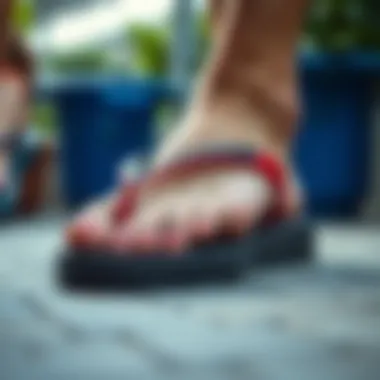
Flip flop toe guards are not merely a functional accessory but a bridge between comfort, style, and protection. As the sun beckons and the weather turns warm, many individuals opt for flip flops, embracing the casual ease these sandals provide. However, the downside often becomes glaringly apparent—stubbing toes or sore feet after extensive wear. This is where toe guards step in, combining design and utility in a seamless manner.
This article aims to dissect the essence of flip flop toe guards, examining their significance in the realm of footwear. By considering everything from market trends to the latest fabric innovations, we present a thorough examination of why these accessories hold an essential place in contemporary style.
Fashion Trends
Current Season Highlights
In the realm of footwear, flip flop toe guards have recently sparked a renewed interest among fashion-forward individuals. With the increasing demand for items that marry functionality and aesthetics, designers are stepping up their game. For instance, you'll notice brighter colors and playful patterns that not only protect the toes but also serve as fashionable statements. Textured materials are making a splash this season, as they elevate the overall design and allow for personal expression.
Influential Designers and Brands
Top brands are beginning to recognize the potential of flip flop toe guards, leading to innovative designs that cater to both casual beach-goers and adventurous urbanites. Brands like Teva and Havaianas have integrated toe guard features directly into their existing flip flop styles, ensuring a balance between comfort and a chic appearance. This synergy underscores the evolving nature of fashion, proving that utility does not need to compromise style.
"A good design should be functional, beautiful, and tailored to its purpose. Flip flop toe guards embody that philosophy perfectly."
Fabric Innovations
Sustainable Fabric Developments
As sustainability continues to dominate conversations about fashion, flip flop toe guards are at the intersection of eco-friendly practices and comfortable wear. Innovative brands are embracing recycled materials to manufacture both the sandals and the protective guards. This not only reduces waste but also appeals to a growing consumer base that values environmental responsibility.
Latest Textile Technologies
Cutting-edge textiles have emerged that enhance the durability and comfort of flip flop toe guards. Technologies such as moisture-wicking fabrics and anti-microbial properties ensure that wearers remain comfortable throughout the day. These advancements cater to the active lifestyle, reassuring wearers that they'll not only look good but feel good too.
Consumers can now find easy-care options with resistance to wear and tear. This makes maintaining flip flop toe guards a breeze, further integrating them into everyday life.
The exploration of flip flop toe guards reveals a fascinating blend of fashion function, allowing users to embrace style while prioritizing comfort and safety. As we delve deeper, many other aspects will come to light, enhancing our understanding of this essential accessory.
Preamble to Flip Flop Toe Guards
In the world of footwear, flip flops often get a bad rap for their lack of adequate protection and support. While they are celebrated for their convenience and casual appeal, the leap towards comfort doesn't always align with safety, especially when it comes to our toes. Flip flop toe guards emerge as a remarkable answer, addressing concerns of protection without sacrificing style.
Understanding the need for flip flop toe guards is imperative for anyone who values both aesthetics and functionality in footwear. These accessories act as a barrier between the foot and the elements, shielding against accidental injuries—think wayward stones or rogue shopping carts.
Defining Flip Flop Toe Guards
Flip flop toe guards are protective covers designed specifically to shield the toes while wearing flip flops. They can be fashioned from various materials and come in multiple designs, effectively extending the usability of flip flops from just a beach accessory to an option for outdoor adventures and everyday activities.
Beyond mere physical safety, these guards can have a profound impact on comfort levels when strolling on hot pavement or rough terrain. The enhanced coverage often prevents injuries from impact, abrasions, or even the sun.
History of Footwear Protection
Historically, the evolution of footwear protection dates back centuries, showcasing humanity's quest for safety and utility. In ancient civilizations, sandals were often crafted from durable materials to offer foot security while allowing ventilation. The Greeks and Romans paved the way for more structured designs that incorporated straps and covers to protect various parts of the foot.
As the industrial revolution progressed, footwear design modernized. Innovations allowed for improved materials like rubber and synthetic fabrics, which contributed to the safety and comfort of shoes.
Fast-forward to the present day, where the introduction of flip flop toe guards can be seen as a natural progression in this historical line, melding tradition with contemporary demands for comfort and protection.
By knitting together functionality and style, flip flop toe guards are not just a foot accessory but a smart choice for the discerning pedestrian. It goes to show that whether you're lounging by the pool or trekking through a bustling city, having your toes safeguarded adds an unseen layer of confidence and security to your footwear.
Material Innovations Used in Toe Guards
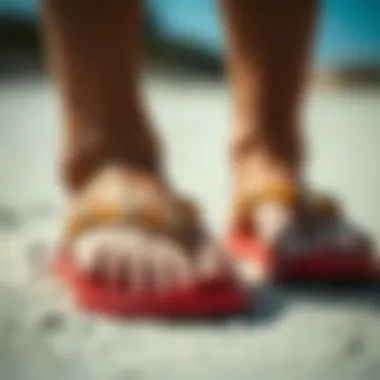

Material innovations play a pivotal role in the evolution of flip flop toe guards. With a seamless blend of function and fashion, these advancements not only enhance the lifespan of the guards but also improve user comfort and satisfaction. As fashion-forward designs continue to push boundaries, the significance of material choice cannot be overstated. From weather resistance to breathability, the materials used directly affect how well these toe guards perform in diverse conditions.
In this section, we will explore the various types of materials utilized in toe guards, along with the sustainable options available to conscientious consumers and brands alike.
Types of Materials Utilized
To gain a firm grasp of toe guard functionality, it’s crucial to identify the types of materials that have become staples in the production process. Generally, these materials can be divided into a few key categories:
- Rubber: Durable and slip-resistant, rubber toe guards provide ample protection against hazards like sharp objects or moisture. Their resilience extends the life of flip flops, making them suitable for regular wear.
- Foam: Lightweight and cushy, foam materials offer unparalleled comfort. They help to absorb shocks that occur during walking or running, making the experience much more pleasant for wearers.
- Thermoplastic Polyurethane (TPU): This innovative material fuses the best of both worlds - flexibility and sturdiness. It can adapt to various temperatures and is known for its ability to repel water, ensuring the toes stay dry.
- Leather: Though less common, leather toe guards are celebrated for their luxurious feel and striking aesthetic. They provide a suitable barrier against minor impacts while giving a classic touch to flip flop designs.
Each of these materials contributes uniquely to the overall experience of wearing flip flops with toe guards. The choice of materials ultimately hinges on the balance between style, protection, and comfort that a consumer seeks.
Sustainable Options Available
As awareness surrounding environmental concerns rises, many manufacturers have been pivoting toward sustainable options for flip flop toe guards. It's fascinating how innovation doesn’t always mean high-tech; sometimes it’s about going back to basics and leveraging materials that are more environmentally friendly. Here are some sustainable options that have surfaced:
- Recycled Rubber: Some brands are turning to recycled materials, which helps minimize waste and the use of virgin resources. It’s a win-win as shoes become more eco-friendly while still offering robust protection.
- Biodegradable Materials: Products made from natural or compostable materials are emerging. These disposable options take the idea of sustainability up a notch, ensuring that once the guard has served its purpose, it won’t linger in landfills.
- Organic Fabrics: Some toe guards feature organic cotton or hemp blends, renowned for their durability without the toxic chemicals often associated with conventional fabrics. These materials make for great choices for the eco-conscious shopper.
The importance of these innovations cannot be overstated. By understanding and appreciating the materials behind toe guards, both consumers and designers can make informed choices that align with their values and needs—be it for fashion or sustainability.
"Choosing sustainable materials is not just an option anymore; it is fast becoming the expectation in modern fashion design."
For further reading on sustainable materials and innovations, visit websites like Wikipedia or Britannica.
Moreover, platforms like reddit.com offer vibrant discussions on new breakthroughs in footwear design.
Functionality of Flip Flop Toe Guards
The functionality of flip flop toe guards is a crucial aspect that significantly influences the overall appeal and effectiveness of this footwear accessory. As simple as these products may seem at first glance, their role goes far beyond mere aesthetics. Toe guards provide essential protection and enhance comfort while contributing to the longevity of the footwear. This section delves into the primary elements of functionality, underscoring the benefits that come from using a thoughtfully designed toe guard.
Protection Mechanisms
Protection mechanisms are at the heart of what makes toe guards beneficial for users. Flip flop toe guards are designed to shield the toes from various hazards. Whether one is walking on a sandy beach, traversing a rocky terrain, or navigating bustling street markets, these guards act as a barrier against potential injuries. For instance, when stepping on sharp objects like broken glass or uneven ground, the toe guard can absorb some impact and help prevent accidents that could result in cuts or bruises.
In addition to physical protection, toe guards often come equipped with features like water resistance and UV protection. Many models utilize durable materials, such as thermoplastic rubber or silicone, which can withstand harsh conditions. This not just alleviates worries over wear and tear but can also prolong the life of the flip flops themselves.
While protection is paramount, the way toe guards function needs consideration as well. For instance:
- Design Integration: A well-designed toe guard should seamlessly blend with the flip flop without adding excessive weight.
- Grip and Traction: Guards can also play a role in improving grip, preventing slips, especially in wet environments.
Choosing the Right Toe Guard
Selecting the appropriate toe guard for flip flops is more than a simple task; it is pivotal in ensuring quality and comfort for users. A well-chosen toe guard can be the difference between a pleasant day at the beach and a painful reminder of poor choices. With numerous options flooding the market, understanding the factors that influence this decision is essential. This section delves into the characteristics to consider and how personal preferences and usage scenarios shape that choice.
Factors to Consider
When it comes to toe guards, several elements demand attention. Here are some crucial factors that can help streamline the process of selection:
- Material: The material of the toe guard greatly impacts durability and comfort. Options range from thermoplastic elastomers to softer fabrics like cotton or mesh. Each has its gestures; for instance, a rubber toe guard offers higher resilience against moisture, while cotton may provide better breathability.
- Size and Fit: An adequate fit is non-negotiable. Toe guards that are too loose might shift out of place, leading to discomfort. On the flip side, ones that are too tight can cause blisters and pain. It is often wise to check sizing guides provided by manufacturers.
- Design: The aesthetics of the toe guard can also play a significant role. Some prefer sleek, minimalistic designs while others may favor bold patterns or colors that express personality.
- Purpose: The intended use can dictate the choice of toe guard. Casual wearers might opt for basic protection, while someone engaging in activities like hiking or water sports might need a robust guard that withstands various elements.
Personal Preferences and Usage Scenarios
Everyone has their unique sense of style and needs, which makes personal preference a key player in the decision-making process. Here’s how different situations can influence the choice of toe guard:
- Casual Beach Days: If sunbathing or wandering along the shore is on the agenda, breathable materials and fun colors can be attractive. Many beach-goers prefer vibrant, stylish toe guards that complement their swimwear.
- Outdoor Activities: For those who spend significant time outdoors, such as hiking or cycling, the demand changes. A sturdy toe guard with reinforced protection may be a priority. Ensuring that it is water-resistant could also be invaluable, given unpredictable conditions.
- Fashion-Conscious Wearers: Individuals who see flip flops as more than just footwear often prioritize aesthetics highly. They might choose toe guards with innovative designs or artisanal craftsmanship that speak to their fashion sense.
- Sensitivity Considerations: Some users may have sensitive skin. Opting for materials that are hypoallergenic or choosing designs with added cushioning could make all the difference.
"Finding the right fit in flip flop toe guards is like finding a needle in a haystack. One must sift through numerous choices to discover the best match for both functionality and style."


In summary, selecting the right toe guard goes hand in hand with understanding both personal needs and various activities one engages in. With careful consideration of materials, fit, and usage scenarios, wearers can enhance comfort and protect themselves effectively, creating a more enjoyable flip-flop experience.
Maintenance and Care for Toe Guards
When it comes to footwear, particularly flip flop toe guards, maintenance and care can easily get swept under the rug. However, giving attention to these aspects can greatly extend the life and functionality of your footwear. Proper care not only protects your investment but also ensures that those flip flop toe guards remain comfortable and effective in their role. Think of it this way: just like a car needs regular oil checks to keep running smoothly, your toe guards need a bit of TLC too.
Cleaning Techniques
Keeping your flip flop toe guards clean is more than just about aesthetics; it's fundamental to their performance and longevity. Here are some attentive cleaning techniques to consider:
- Soap and Water Solution: A simple mixture of warm water with a mild detergent can do wonders. Use a soft cloth or a non-abrasive sponge to wipe them down. This method effectively removes dirt and grime without risking damage to the materials.
- Gentle Scrubbing: For tougher stains, using a soft-bristled toothbrush can help. Take care to avoid applying too much pressure, which might wear down the surface over time.
- Rinsing: It is essential to wash off all soap residues completely since leftover soap can attract new dirt. Rinse with clean water after scrubbing.
- Drying: Allow them to air dry naturally, away from direct sunlight. Excessive heat can warp the materials or alter their shape. Lay them flat instead of hanging them, ensuring they retain their original form.
- Periodic Deep Cleaning: Every few months, it can be beneficial to soak them in a cleaning solution designed for your specific type of material. Refer to the manufacturer's guidelines for particular cleaning recommendations.
Storage Recommendations
Proper storage is another often overlooked aspect of toe guard maintenance that can prevent unnecessary wear and tear. Here are key tips on how to store them effectively:
- Cool, Dry Place: Always store your flip flop toe guards in a cool, dry location. Avoid humid areas like basements or damp closets as moisture can lead to mold and odor.
- Avoid Folding: Storing them flat rather than folded is crucial. Folding can crease and damage the materials over time, leading to a quick decline in their form and function.
- Use Shoe Boxes or Storage Bins: Consider using shoe boxes or clear storage bins to provide protection from dust and direct light. Keeping them covered can also prevent accidental damage from falling items or being stepped on.
- Protective Inserts: For those flip flop designs that are particularly delicate, using a protective insert can help maintain their shape and avoid scuffing against other footwear in your collection.
- Rotation: If you have multiple toe guards, rotating their use can improve longevity. Constantly using the same pair can lead to accelerated wear and tear.
By investing a bit of time in maintenance and care, you can ensure that your flip flop toe guards not only look good but also perform at their best throughout their lifespan.
Market Trends in Footwear Protection
The discussion surrounding market trends in footwear protection holds significant weight for this article. As the landscape of protective footwear continually evolves, understanding these trends provides insight into consumer behavior, environmental considerations, and technological advancements. The increasing awareness about safety and health, alongside rising expectations for style and comfort, impels brands to innovate. Hence, exploring emerging developments means noticing how the future of flip flop toe guards will shape their design and function.
Emerging Brands and Products
The influx of new brands dedicated to flip flop toe guards has stirred the pot in the footwear market. One particularly interesting trend is the rise of niche companies focusing exclusively on toe protection. For instance, brands like Havaianas and Rainbow Sandals have expanded their offerings to include robust toe guards that not just enhance the flip flop’s durability but also provide stylish aesthetics.
Moreover, companies like Frogg Toggs have introduced waterproof toe guards that suit the adventurous spirit while still keeping style intact. This design caters to those who don’t shy away from the beach, poolside, or casual outdoor events. The collaboration between established firms and artisanal makers is noteworthy as well, with unique designs highlighting local craftsmanship, bringing forth a mix of traditional and modern styles.
Because of these developments, consumers are finding it easier to locate products that align with their personal preferences and lifestyle. Brands are shifting production models to accommodate more sustainable practices, using recycled materials and eco-friendly processes. Such efforts appeal deeply to environmentally conscious shoppers.
Consumer Preferences and Feedback
Consumer preferences play a pivotal role in steering market trends, particularly in the domain of footwear protection. Feedback channels, including online reviews and social media discussions, have amplified the voices of users, allowing them to express what they value in flip flop toe guards. For example, many consumers are voicing their appreciation for those with adjustable straps, which cater to a variety of foot shapes and provide more tailored comfort.
Additionally, as more individuals prioritize versatility in their footwear, they seek products that can transition from casual to semi-formal environments without a hitch. Users have reported favorable impressions towards toe guards that balance both fashion and function, striving for a combination that allows them to express personal style without compromising safety.
"It’s no longer just about functionality; it’s about making a statement while staying protected," one reviewer noted on a popular footwear forum.
Thus, brands are compelled to absorb this feedback to refine their products continually and address the shortcomings users point out. Those toe guards perceived as stylish and comfortable hold an edge in the competitive market.
As the trends in footwear protection progress, it becomes clear that the intersection of innovative branding and responsive consumer feedback paints a promising picture for the future of flip flop toe guards. The synergy between consumer demand and emerging brands shapes not just the products available but also the expectations surrounding footwear protection.
The Role of Technology in Flip Flop Design
When it comes to flip flop design, technology plays a pivotal role, shaping everything from materials to user experience. This isn't just a matter of comfort; it’s about creating flip flops that meet the diverse needs of users, integrating features that enhance performance, style, and durability. Technology imbues these sandals with advanced functionalities, elevating them from simple casual footwear to essential gear for various activities.
Innovative Features
Modern flip flops have evolved far beyond basic designs. Today, many feature cutting-edge technologies that offer improved comfort, function, and style. Here are a few innovative features commonly found in today's flip flop designs:
- Shock Absorption: Brands such as Havaianas and Reef utilize compression-molded EVA (Ethylene Vinyl Acetate) that effectively absorbs shocks. This innovation reduces strain on the wearer's feet and joints, making for a more comfortable experience—perfect for those lengthy beach strolls.
- Non-Slip Soles: Technology in grip design is no small feat. Companies often employ special rubber compounds and tread patterns that provide better traction, ideal for wet surfaces like poolside decks. This feature ensures safety, allowing users to confidently navigate slippery terrain.
- Arch Support: Footwear giants like Teva have included anatomical arch support in their flip flop designs. This small change makes a world of difference for individuals with flat feet or plantar fasciitis, alleviating pressure and preventing discomfort over longer wear periods.
- Eco-Friendly Technologies: With the surge in sustainable fashion, brands like OluKai are making strides in utilizing recycled materials or bio-based components that reduce environmental impact. Not just a trend; it’s a conscious choice that resonates with millions.
"Technology has turned casual wear into customized footwear for everyone, enabling comfort without sacrificing style."

Each of these features reflects a broader movement in the fashion industry towards functional and stylish footwear, tailored to fit modern lifestyle needs. As users become more discerning, the demand for innovative features continues to grow, pushing brands to adapt and evolve.
Research and Development in Footwear
The industry has not only embraced current technological advancements but is also heavily investing in research and development to tailor products even better for diverse consumer bases. Studies at laboratories focus on biomechanics to understand how foot structure works under stress. For instance, brands may analyze the motion of the foot in various activities, from walking on sandy beaches to hiking rocky paths.
Key areas of focus in R&D include:
- Material Science: Research into new materials aims to create lighter, stronger, and more flexible flip flops that don’t sacrifice durability. Brands are often experimenting with blends that offer moisture-wicking properties without being heavy.
- Foot Health: Ongoing studies through collaborations with podiatrists and physiotherapists aim to understand the long-term effects of flip flop use on foot and body health. This allows brands to design with both comfort and health in mind, creating products that minimize foot fatigue and joint pain.
- Consumer Feedback Integration: Many brands make it a priority to incorporate user feedback in the design phase. This direct channel of communication helps in addressing specific needs, from sizing to preferred materials, improving overall satisfaction.
Through dedicated research, manufacturers aim not only to enhance the flip flop experience but ensure that it aligns with trends and expectations revolving around comfort, sustainability, and design aesthetics.
Cultural Significance of Flip Flops
Flip flops have transcended their status as mere footwear to become cultural icons in many societies. They symbolize casual lifestyle and comfort, bridging the gap between practicality and style. In this section, we delve into the cultural significance of flip flops, exploring regional variations, preferences, and the symbolic meanings they embody across different communities.
Regional Variations and Preferences
The popularity of flip flops varies significantly across the globe, often influenced by climate, lifestyle, and social norms.
- In tropical regions like Southeast Asia, flip flops are not just a fashion statement; they are everyday essentials. The warm climate calls for breathable footwear, allowing people to traverse sandy beaches and bustling marketplaces comfortably.
- In the Mediterranean, flip flops often reflect a laid-back lifestyle. They are worn not only on beaches but also at cafes and during evening strolls, showcasing a love for the outdoors and social interaction.
- In contrast, flip flops in colder climates might be reserved for summer vacations or leisure time when the sun is out, signifying a break from the norm.
People gravitate towards different designs ranging from colorful patterns to minimalist styles, reflecting personal tastes and local traditions. For instance, the Japanese "geta" or the Brazilian "havaianas" offer unique aesthetics that resonate with their respective cultures, making flip flops versatile and appealing footwear across diverse settings.
Symbolism and Identity
The significance of flip flops extends beyond mere functionality; they often embody personal and cultural identities.
"Footwear often speaks volumes about one's social identity and status in society."
For many individuals, wearing flip flops can reflect a laid-back attitude, often associated with freedom and an airy spirit. In numerous beach communities, flip flops signify not only leisure but also a lifestyle choice that embraces simplicity and nature. Children and adults alike don them during summer fun, reinforcing communal bonds through shared experiences.
On the flip side (pun intended), flip flops can also carry connotations of casualness that might be frowned upon in certain professional settings, showcasing a contrast in expectations regarding formality. This casual nature, however, hasn't stopped the fashion industry from elevating flip flop designs into statements of style, merging comfort with avant-garde aesthetics.
In cultures where flip flops are the norm, they can also serve as bridges that connect generations. Whether it’s a grandmother sharing her favorite flip flop brand with a granddaughter, or friends reminiscing about past summers spent in flip flops, the shared experience elevates these humble sandals to symbols of nostalgia and identity.
In summary, the cultural significance of flip flops encompasses a rich tapestry of regional variations and deeper meanings tied to identity. Understanding these elements can greatly inform not just how flip flop toe guards are designed, but also how they are marketed and perceived in the broader context of footwear fashion.
This understanding will empower designers, tailors, and bloggers alike to create content that resonates with audiences on a deeper level, capitalizing on the cultural narratives that are woven into everyday items like flip flops.
User Experiences and Testimonials
User experiences and testimonials serve as a vital component in understanding flip flop toe guards. They provide real-life insights that go beyond the numerical data and marketing claims presented by brands. Observing how individuals perceive the benefits, challenges, and overall satisfaction with these products enables both potential buyers and manufacturers to grasp the practical applications of toe guards in everyday life.
Personal anecdotes often highlight the durability and functionality of a product. When users share their stories, they create a relatable narrative around flip flop toe guards. Such narratives give depth to statistics, showing how these products perform in various real-world situations—be it at a beach, a barbecue, or just a casual stroll around the neighborhood.
Moreover, these shared experiences can uncover specific performance characteristics that may not be evident through technical specifications alone. Elements like comfort, fit, and ease of use become clearer when echoed in personal stories. Also, these user experiences help others to relate their needs to products they may be considering, ensuring better purchasing decisions.
Ending and Future Perspectives
Summarizing Insights
In wrapping up the discussion around flip flop toe guards, it's crucial to reflect on their multifaceted role in footwear design. These protective features are no longer just an afterthought; they have emerged as essential for enhancing comfort, safety, and overall user experience. The various materials—ranging from traditional rubber to advanced polymers—illustrate the fusion of functionality with style. Moreover, the insights gathered from user experiences have paved the way for thoughtful innovations aimed at meeting diverse needs. From allowing for freer movement during beach outings to providing added safety during casual strolls, toe guards serve both protective and aesthetic purposes, turning a simple flip flop into a versatile fashion statement.
Looking Ahead in Flip Flop Development
The future of flip flop toe guards is poised for significant advancements driven by numerous factors. As sustainability continues to influence consumer behavior, brands are likely to prioritize eco-friendly materials, integrating recycled and biodegradable options in their designs. New technologies in manufacturing may lead to lighter materials without sacrificing durability. The trend towards personalization will also shape the market; consumers may seek customizable toe guards that reflect their unique styles.
Additionally, enhancements in ergonomic design will likely be a focus, ensuring that the balance between comfort and style is maintained. Brands like Birkenstock and Havaianas might be at the forefront of this evolution, showcasing innovative designs that align with sustainability trends while addressing customer comfort and safety concerns. As the market evolves, adaptability and innovation will continue to shape how flip flop toe guards contribute to the broader footwear landscape, ensuring their relevance in the ever-changing world of fashion.
"Innovation is the ability to see change as an opportunity - not a threat."
By keeping an eye on these developments, industry professionals can better position themselves to make informed decisions that reflect current trends and consumer expectations. Stay engaged with credible platforms like Wikipedia, Britannica, and Reddit for further insights and discussions around flip flop toe guards and their transformative journey in fashion.