Geometric Kitchen Curtains: Style and Functionality
Intro
Geometric kitchen curtains serve as more than just functional items; they have evolved into essential pieces that contribute significantly to the decor and overall aesthetics of kitchen spaces. As kitchens become the focal point of the home, the need for stylish yet practical enhancements grows. With a myriad of shapes, colors, and patterns available, these curtains can seamlessly blend into various design styles or stand out as statement pieces.
The contemporary trend leans towards unique geometric designs that aim to intrigue the eye while providing an element of functionality. The interplay of light and fabric texture shapes the way a curtain interacts with the surrounding space. It creates a delicate balance between vibrancy and subtlety, a dynamic that is skillfully manipulated by designers and homeowners alike. As we explore this realm, it becomes crystal clear that the choice of geometric curtains can dramatically change the ambience of a kitchen, showcasing one's individual style while also catering to practical needs.
In the subsequent sections, we will navigate through fashion trends that influence the current market, delve into the innovations in fabric technology, and examine how to bring these elements together within the home environment. The exploration aims to equip the reader with knowledge about trends, materials, care, and integration strategies, empowering them to elevate their kitchen decor through thoughtful textile choices.
Understanding Geometric Kitchen Curtains
In the realm of interior design, geometric kitchen curtains stand out due to their unique ability to blend aesthetic appeal with functional prowess. For many homeowners and designers, they offer more than just protection from sunlight or prying eyes; they serve as a canvas that reflects personality and style. Understanding the nuances of these curtains entails appreciating their design, historical relevance, and the breadth of practical considerations that accompany their use.
One significant aspect of geometric kitchen curtains is their capacity to complement or contrast existing decor. For instance, a minimalist kitchen with sleek lines can benefit from angular geometric patterns that echo its modern ethos; likewise, a traditional kitchen may find balance with softer geometric designs that introduce depth without overwhelming the senses. When choosing curtains, understanding the patterns and colors available becomes crucial since these elements can heavily influence the entire kitchen's ambiance.
Additionally, these curtains can offer a myriad of benefits. Not only do they enhance visual interest, but at the same time, they provide crucial elements of light control and privacy. In kitchens, where functionality meets style, finding that sweet spot can elevate a space from ordinary to extraordinary.
Another point for exploration lies in the selection process itself. Factors such as fabric types and how they interact with light can change the perception of the kitchen space. A heavier fabric might give a sense of warmth while light, airy materials can open up the space, making it feel larger. So knowing the potential impact of different styles and materials is key to making astute choices.
"The right geometric curtains can transform a mundane kitchen into a stylish haven, reflecting the owner's taste and the home's character."
Ultimately, delving into the significance of geometric kitchen curtains uncovers a layered understanding of design. Their versatility means they suit various tastes—whether bold, subtle, traditional, or avant-garde—making them a fantastic tool in any designer’s arsenal. As we go deeper into this topic, we'll explore specific patterns, colors, and practical applications that make geometric kitchen curtains a worthy consideration for anyone looking to enhance their culinary sanctuary.
Design Elements in Kitchen Curtains
When prepearing to elevate a kitchen environment, the design elements within kitchen curtains can’t be understated. Optimal curtain design is a blend of aesthetics and function, which is essential for creating a cohesive decor theme. This section explores the various design elements that contribute to the versatile nature of geometric kitchen curtains.
Color Schemes and Their Impact
Color is the first thing people notice. Selecting the right colors for geometric curtains plays a critical role in how the space feels. Imagine bright yellows or greens bringing a fresh, lively vibe, or muted grays and whites creating a calming atmosphere. Colors influence mood and perception, so it’s crucial to choose wisely.
A well-thought-out color scheme can enhance natural light or add warmth to chilly spaces. Here are some ideas:
- Cool Colors: Blues and greens that invite peace and tranquility.
- Warm Colors: Reds and oranges that energize and stimulate creativity.
- Neutrals: Shades like beige and gray that offer flexibility and work well with almost any decor.
Often kitchen curtains serve as accents that tie the room together. For example, if your cabinets are navy blue, a geometric curtain pattern featuring navy with yellow can create a striking visual appeal.
Choosing the Right Fabric
Selecting the right fabric for kitchen curtains is a calculated decision that can significantly affect both style and functionality. The fabric should reflect the kitchen’s purpose while aligning with your personal style.
Common Materials Used
Several materials are widely favored for kitchen curtains due to their unique characteristics. Common fabrics include:
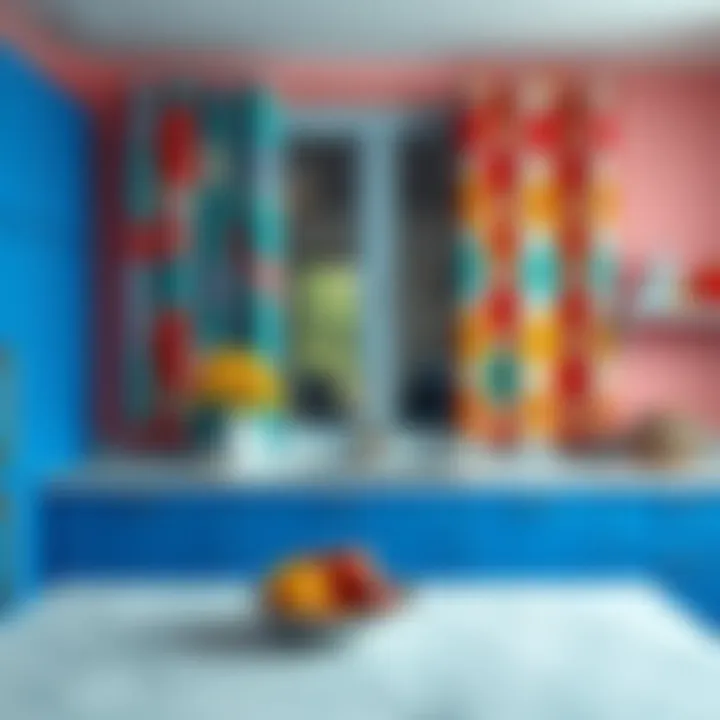
- Cotton: Easy to clean and durable, it adds a classic feel.
- Linen: Light, airy, and a touch luxurious, however it wrinkles can be an issue.
- Polyester: Widely used especially because it’s resistant to fading and stains.
One common denominator among these materials is how they handle light. Cotton filters light gently, while polyester can block out more sunlight, depending on the weave.
Fabric Properties to Consider
When choosing fabric, consider its longevity, light-filtering abilities, and maintenance. A good kitchen curtain fabric should withstand the demands of a busy environment while still looking stylish.
- Durability: Look for fabrics that do not easily fray or fade.
- Ease of Care: Some fabrics are easier to clean than others; cotton generally is easier to wash while linen may require more delicate handling.
- Light Control: Assess how much light you want in your kitchen. Some heavy materials can completely block out light, while sheer fabrics can allow for softness while maintaining openness.
Integrating Geometric Curtains into Kitchen Design
Geometric curtains can add a significant layer of depth and character to kitchen spaces. They act as more than just a functional element, serving as a focal point that can harmonize with various decor styles and accents. When integrated thoughtfully, geometric patterns can enhance the overall aesthetic of a kitchen while offering practical benefits, enriching the environment in numerous ways.
Having a good selection of geometric curtains is not just about style; it’s about creating a setting that feels cohesive. The interplay of patterns can accentuate or soften the existing features of a kitchen, guiding the eye towards elements that deserve attention. For a space that is often busy with activity, geometric designs can create a sense of order, providing a visual rhythm without overwhelming the senses.
Coordinating with Existing Decor
Finding harmony between your geometric curtains and the existing kitchen decor is crucial. Start by considering the color palette already established in your space. Do the current hues lean more towards warm tones or cool shades? For instance, if your kitchen features soft pastel walls, a geometric curtain with gentle tones can provide a subtle contrast that feels refreshing and inviting. On the other hand, bold shapes and bright colors can bring energy to an otherwise muted space.
Also, keep in mind the materials and textures found in your kitchen—think about whether you have stainless steel appliances, wooden cabinets, or ceramic tiles. The curtains should complement these, either by echoing their textures or providing a counterpoint that enhances their appeal. For instance, pairing a sleek geometric print with rustic wood can strike a fascinating balance, creating a welcoming contradiction without clashing.
Tips for Different Kitchen Styles
Modern and Minimalist
Modern and minimalist kitchens prioritize clean lines and simplicity, which aligns well with geometric curtains that embody similar characteristics. The key aspect of this design style is the emphasis on functional beauty. By choosing geometric patterns that are understated, you can maintain a visual balance, ensuring that the curtains enhance rather than dominate the space. The subtlety of monochromatic geometric designs can contribute to a spacious feel, making small kitchens appear larger and brighter. However, selecting intricate patterns may suffocate the minimalistic intent, so it's wise to tread carefully by sticking to simpler forms that keep that clean aesthetic.
Rustic and Farmhouse
Rustic and farmhouse styles exude warmth and a sense of nostalgia, making them perfect candidates for geometric curtains that marry traditional and contemporary elements. The roughhewn charm of wooden fixtures and vintage accents can benefit from prints inspired by nature, like hexagons or diamonds that mimic the structure of honeycomb or barn frames. This choice tends to evoke comfort and familiarity, adding layers of visual interest without straying from the overall coziness the style conveys. A downside, however, might be overdoing bold patterns that clash with the inherent simplicity of rustic design, so softer or muted choices can ensure cohesion.
Traditional and Contemporary
In this blend of styles, geometric curtains can offer a refreshing twist while respecting classic aesthetics. Traditional kitchens often boast ornate cabinetry and rich detailing, where geometric patterns can act as a bridge between the old and new. Patterns that incorporate classic motifs—such as damask or fleur-de-lis—turned into streamlined forms can create a harmonious dialogue between styles. This approach not only modernizes the appearance but also respects the timeless elements of traditional design. Yet, one must navigate carefully; overly bold geometries might disrupt the flow created by intricate details.
In summary, the integration of geometric curtains involves a detailed consideration of both the aesthetics and functionalities of your kitchen design. Balancing patterns with existing elements can transform the space, rendering it more inviting and stylish while aligning with your personal taste.
Functional Aspects of Kitchen Curtains
Kitchen curtains are more than just a decorative touch to your culinary space; they serve crucial functional roles. When discussing geometric kitchen curtains, understanding how they handle light, privacy, hygiene, and maintenance can enhance their appeal. Especially in a bustling kitchen where activities vary from cooking to dining, it's essential to strike a balance between aesthetics and practicality.
Light Control and Privacy

One of the primary functions of kitchen curtains is to control the amount of light entering the space. Geometric patterns can do much more than look stylish; they can effectively filter sunlight, providing a softer illumination that creates an inviting atmosphere. For instance, let’s say you have a lovely breakfast nook adjacent to a sun-drenched window. Using curtains with small, intricate geometric designs can help diffuse harsh sunlight while still allowing enough brightness for a cheerful morning meal.
On the other hand, privacy is a significant concern, particularly in urban settings where homes are closely packed together. Geometric kitchen curtains can serve this need effectively. By opting for heavier materials or opaque fabrics bearing bold geometric prints, you can ensure that your kitchen remains a private oasis without compromising on style. In this way, the curtains perform dual functions: they keep the prying eyes of neighbors at bay while also enhancing the visual intrigue of your kitchen.
Hygiene and Maintenance
Keeping kitchen curtains clean is vital for maintaining a healthy cooking environment. Unlike curtains used in other rooms, kitchen curtains can accumulate odors, grease, and grease stains, thanks to the very nature of cooking. Therefore, selecting the right fabric is paramount for ease of cleaning. Many modern fabrics, particularly those labeled as stain-resistant or washable, are tailored specifically for kitchen use. This ease of maintenance gives homeowners peace of mind, knowing they can keep their curtains looking fresh sans heavy effort.
Cleaning Instructions
When it comes to cleaning your geometric kitchen curtains, following the manufacturer's instructions is vital. Most fabrics allow for machine washing, usually at a gentle cycle and in cold water. A unique feature of contemporary kitchen curtains is that many are designed to resist staining, allowing for a more straightforward cleaning process. However, if the fabric isn't machine washable, spot cleaning with mild soap is the way to go. This accessibility contributes to the sheen of geometric kitchen curtains; after all, no one wants to spend their weekends scrubbing fabrics.
For those adventurous DIYers, consider pre-treating the fabric with a fabric protector before it gets hung up. This small step can safeguard against unexpected spills, elevating the curtain’s longevity in your kitchen. Such ease of maintenance positions cleaning instructions as a vital component of why geometric curtains can seamlessly fit into modern lives.
Durability and Longevity
Durability is another critical aspect when picking kitchen curtains. Geometric patterns can be found on a variety of materials, each with its own characteristics when it comes to strength and longevity. Fabrics like cotton or polyester blends are often favored for their resilience against wear and tear, which is particularly useful in a busy kitchen setting where curtains can sometimes be snagged or bumped.
A unique quality about some geometric fabrics is that they are treated with high-performance finishes that resist fading, ensuring colors remain vibrant, even in sunlit areas. Customers often appreciate this as it translates into long-term value; a smart investment means you won’t need to replace your curtains frequently.
However, it's worth noting that not all fabrics perform equally; lightweight materials might not hold up as well compared to their heavier counterparts. Therefore, making informed choices based on your kitchen’s specific use and style preferences is essential. It’s about striking that perfect chord of durability and design without skimping on either attribute.
Trends in Geometric Kitchen Curtain Designs
In the realm of kitchen decor, the significance of geometric kitchen curtains cannot be overstated. They serve not just as mere window coverings, but as essential components that enhance the overall aesthetic of the space. Integrating geometric patterns into kitchen curtains offers a fresh take on traditional designs, appealing to both a modern sensibility and timeless elegance. The current trends highlight a growing preference for patterns that marry form with function, capturing the essence of how we live and cook today.
Popular Patterns and Styles
When it comes to popular patterns, geometric designs range from simple shapes to intricate arrangements, each with its own flair. Consider the distinctive appeal of chevrons: they provide a dynamic look that can act as a focal point in a neutral room. Another fan-favorite includes hexagons, reminiscent of natural honeycombs, which can add a warm and inviting vibe to your culinary space.
- Stripes: Often seen in varying widths and orientations, stripes create an illusion of height or wideness in a room, depending on how they are presented.
- Triangles: These shapes can add a modern touch, especially in color-blocked formats, and are perfect for introducing visual interest without overwhelming other elements in the kitchen.
- Circles and Dots: Featuring in playful designs, circular patterns can evoke a sense of whimsy and are particularly great for family-friendly kitchens.
Notably, the color palette used in these patterns plays a significant role. Neutral tones blended with bold accents tend to strike a balance between sophistication and liveliness, making it easier to mix and match with existing decor. This approach aligns well with the aspirations of a high-IQ audience, focusing on thoughtful selections that enhance design integrity.
Emerging Trends in Fabric Innovations
As trends evolve, fabric innovations are increasingly significant in the design of geometric kitchen curtains. New materials are being developed to blend aesthetics with functionality, addressing both style and utility. Eco-friendly fabrics, such as organic cotton or recycled polyester, are gaining traction. These materials are not only sustainable but also durable, providing longevity in high-traffic areas like kitchens.
Another noteworthy trend is the incorporation of technologies such as stain-resistant coatings and easy-care fabrics. These developments mean that homeowners can select stylish options without the worry of heavy maintenance. Imagine a curtain that repels spills while showcasing a stylish hexagonal pattern—it’s a game changer for busy cooks and families alike.
Further, innovations in printing technology allow for customized designs, enabling homeowners and designers to create unique geometric motifs tailored to specific themes or color schemes. This flexibility means that kitchens can be truly personalized, making a statement that resonates with the owner's personality.
"The fabric of a home tells the story of those who dwell within it, and geometric kitchen curtains can add a chapter all on their own."
In summary, the trends in geometric kitchen curtain designs involve a sophisticated interplay of patterns and fabric technologies that cater to both aesthetic preferences and functional needs. By staying attuned to these developments, designers, tailors, and style enthusiasts can ensure that their choices stand out in an ever-evolving market, enriching kitchen spaces with seamless blends of style and practicality.
DIY Geometric Kitchen Curtains
Creating your own geometric kitchen curtains can be both an enjoyable project and a practical solution to updating your culinary space. With the right patterns and techniques, you have the freedom to express your own style while ensuring that the curtains meet your specific needs. This section will provide you with comprehensive guidelines, from selecting patterns to sewing them up, making this a genuinely enriching experience.
Choosing the Right Pattern for DIY
When picking a pattern for your DIY project, consider how different shapes and designs can influence the ambiance of your kitchen. Geometric patterns offer a multitude of options—from crisp triangles to repetitive hexagons, each design can have a unique impact.
- Assess Your Kitchen's Theme: Is your kitchen modern and sleek, or does it have a warm, rustic charm? A bold chevron might work wonders in a contemporary kitchen, while circular motifs might lend a softer touch in a farmhouse setting.
- Consider Color Impact: The colors you choose play a significant role too. Bright colors can inject energy into the space, while muted tones may create a calming environment. Look for patterns that harmonize with your existing decor; mixing and matching colors wisely can lead to a stunning result.
- Take Scale Into Account: Small patterns may become lost in a large space, while larger designs can overwhelm a tiny kitchen. Finding a balance that complements your existing furniture and layout can enhance the overall aesthetic.
Step-by-Step Guide to Making Your Own
Now that you have a pattern in mind, making your own geometric kitchen curtains is a straightforward process. Here’s a step-by-step guide to get your sewing journey underway:
- Gather Your Materials: Make sure you have everything ready. You’ll need fabric, scissors, a sewing machine, measuring tape, and thread. Opt for materials like cotton or linen for easy care and durability.
- Measure Your Windows: Use the measuring tape to determine the size of your window. Don’t forget to account for length if you want your curtains to fall below the window frame.
- Cut the Fabric: Based on your measurements, cut the fabric into the shapes you require. A basic rule is to add a few extra inches on both the top and bottom for hems.
- Sew the Hem: Start by folding the top edge of your fabric over about an inch and sew it down. This will create a pocket for your curtain rod. Do the same with the bottom hem, adjusting the length as necessary.
- Attach Your Curtain Rod: Slide the rod through the pocket you created at the top. Ensure the curtains can move freely along the rod.
- Make Adjustments: Once hung, check if the curtains hang well. It might require you to trim any excess fabric or adjust the rod height.
Making your own geometric curtains not only allows you to customize your space but also gives you a sense of accomplishment. The end result will be a unique and functional addition to your kitchen atmosphere.
"A space reflects the personality of its occupants; adding personal touches can elevate that vibe tremendously."
By going the DIY route, you’ll also save money and gain valuable skills, pushing your creativity to new heights. DIY geometric kitchen curtains, when thoughtfully executed, offer a fantastic way to blend artistry with functionality.
Ending: The Role of Geometric Kitchen Curtains
In the grand tapestry of interior design, geometric kitchen curtains emerge not just as decorative elements, but as vital contributors to the overall kitchen ambiance. They encapsulate both stylistic preferences and functional requirements that cater to an array of personal tastes and lifestyle needs. Understanding their role is crucial for anyone looking to revamp their kitchen space, as these curtains function as a bridge, connecting aesthetics to practicality.
Aesthetic and Functional Harmony
The essence of geometric kitchen curtains lies in their dual nature—aesthetic appeal alongside functional utility. On one hand, these curtains can elevate a kitchen's style game considerably. With patterns ranging from bold triangles to delicate chevrons, the visual impact is often substantial. They can act like a brushstroke on a canvas, allowing homeowners to infuse their personality into a usually utilitarian space.
On the other hand, the practical aspects cannot be overlooked. These curtains can provide light control, ensuring that a home chef is not battling harsh midday sun while kneading dough. They also serve privacy needs, a crucial factor for city dwellers living in close quarters.
Interestingly, the interplay between form and function fosters a sense of balance. For example, a bright, triangular pattern may add lively energy to an otherwise neutral kitchen, while simultaneously filtering light and maintaining visual separation from the outside. This relationship becomes particularly significant in open-plan homes where the kitchen bleeds into living or dining areas.
Future Directions in Kitchen Textiles
The landscape of kitchen textiles is evolving, and geometric curtains are at the forefront of this transformation. One notable trend is the emergence of eco-friendly fabrics, crafted from sustainably sourced materials. As awareness around environmental impact grows, consumers are increasingly looking for options that align with their values. Geometric patterns on organic fabrics can provide a chic yet responsible choice for style-conscious individuals.
Furthermore, advancements in textile technology are paving the way for innovations such as smart fabrics. Imagine curtains that adjust their opacity based on the intensity of sunlight or even change color to suit the time of day. While this might sound like sci-fi, such technologies are rapidly moving from concept to reality, and their appearance in kitchen textiles seems only a matter of time.
As trends continue to evolve, we can expect geometric kitchen curtains to adapt accordingly, merging traditional design with modern practicality. This forward-thinking approach ensures that these curtains will not only be a statement but also something that enhances a kitchen’s functionality for years to come.
In summary, geometric kitchen curtains serve a critical role, blending style and utility, while remaining relevant in an ever-changing design landscape.
For further insights into home decor trends and innovative textile options, check reliable sources like Britannica, or visit sites like Wikipedia.
Keep an eye on what’s trending on platforms like Reddit's interior design threads or even design-focused Facebook groups for fresh ideas.