A Comprehensive Guide to Photography Swaddle Wraps

Intro
In the realm of newborn photography, the use of swaddle wraps is both an art and a science. These versatile pieces of fabric serve not only as props but also as essential tools that help create enchanting images. Parents and photographers alike are increasingly recognizing the value these swaddles bring to capturing the delicate details of tiny hands and feet. This guide aims to shine light on the finer points surrounding swaddle wraps, from their materials and designs to practical tips on employing them effectively in your shoots.
As the trends evolve, photographers find themselves navigating a world where the aesthetic appeal of swaddle wraps plays a pivotal role in the overall story told through images. Whether it's the textures that reflect a child’s innocence or the colors that evoke emotion, each choice enhances the visual narrative. Understanding these elements not only uplifts the quality of photography but also enriches the parent’s experience by providing memorable keepsakes.
We'll delve into the Fashion Trends surrounding swaddle wraps, exploring current season highlights and acknowledging the designers and brands that shape these creations. From there, we will transition to Fabric Innovations, examining advancements in textile technologies and sustainable fabric developments. It's all about ensuring safety and beauty go hand in hand when it comes to photographing our precious little ones.
Understanding Photography Swaddle Wraps
Photography swaddle wraps are an essential tool in capturing those precious moments of newborns. The importance of understanding these wraps goes beyond just aesthetic appeal. They play a crucial role in the overall presentation of newborn photography, contributing to comfort, safety, and visual storytelling. When using swaddle wraps, photographers and parents alike should consider multiple elements such as fabric choice, color, and design. These factors can significantly influence the emotional resonance of photographs, as they evoke certain feelings and moods.
Swaddle wraps help to create a serene environment for the baby, which is paramount when trying to capture those split-second smiles or soft movements. In addition to their visual significance, swaddle wraps have practical implications, aiding in soothing the infant and providing a sense of security. An understanding of how swaddle wraps function in both a stylistic and functional sense can enhance the overall photography experience for both the subjects and the artists behind the lens.
Definition and Purpose
Photography swaddle wraps are specially designed fabric pieces used to securely wrap newborns during photo shoots. Their primary purpose is to create a cozy and calming space for infants, allowing photographers to take captivating images without causing distress to the baby. A well-chosen swaddle can transform ordinary moments into extraordinary photographs by providing the right backdrop and ensuring the baby feels snug and content.
Swaddle wraps come in various materials, colors, and patterns, making them versatile tools for photographers. The choice of a wrap can influence the overall theme of a shoot, setting a tone that aligns with the parents' vision for their child's portrait. By understanding the intricacies of each wrap, photographers can tailor their approach to meet specific needs, thereby enriching their craft.
Historical Context
The concept of swaddling babies has deep historical roots, dating back thousands of years. Various cultures have practiced this technique not just for comfort but as a means of protection and diminishment of the startle reflex. In photography, the introduction of swaddle wraps can be traced to the rise of newborn portraiture in the late 20th century, where capturing early moments became increasingly fashionable.
In those early days of newborn photography, parents often employed simple blankets or muslin cloths, which did the job, but lacked the specialized design that swaddle wraps provide today. As photography evolved, so did the materials and techniques used to showcase newborns. From hand-knit wraps to high-quality cotton blends, the options available today reflect both innovation and an understanding of what creates an impactful visual narrative.
The growth of social media platforms has further contributed to the popularity of swaddle wraps in photography, as parents and photographers share their art, inspiring new styles and trends. Understanding this historical context enhances one's appreciation for the art of newborn photography, emphasizing the evolving relationship between fabric, technique, and emotional connection in visual storytelling.
"Photography is a way of feeling, of touching, of loving. What you have caught on film is captured forever it remembers little things, long after you have forgotten everything." – Aaron Siskind
Through this lens, it becomes clear that swaddle wraps are much more than mere tools; they are vital components that influence the overall experience for both the photographer and the subject.
Materials for Swaddle Wraps
When it comes to photography swaddle wraps, the materials chosen for crafting these wraps can drastically transform both their functionality and aesthetic appeal. Materials are the backbone of swaddling; they affect not just the look and feel of each wrap, but also ensure the safety and comfort of the newborns being photographed. Choosing the right materials can elevate an ordinary photoshoot into something exceptional, making the swaddle an essential element in creating captivating visual narratives.
Cotton and its Benefits
Cotton is the darling of swaddle materials, and it’s not hard to see why. It’s breathable, lightweight, and soft enough to caress the delicate skin of infants. This natural fabric helps regulate temperature, making it perfect for both warmer and cooler environments. Always a go-to for practical reasons, cotton allows photographers to achieve that coveted draped look, effortlessly enhancing the overall composition of newborn photos.
Moreover, cotton swaddles are generally easy to clean, standing up well to repeated washings without losing their charm. The comfort that cotton provides reduces the likelihood of a fussy baby during a photoshoot, allowing the photographer to capture those cherished moments of serenity.
Choosing the Right Fabrics
When selecting fabric for swaddle wraps, it’s crucial to take a few things into consideration. Start with texture. A soft texture prevents irritation on a baby’s skin, while a heavier fabric can provide a cozy and secure feeling, often referred to as ‘weighted swaddling’.
Here are several key factors to think about when choosing fabrics:
- Durability: The wraps should endure multiple sessions and washes while maintaining their integrity.
- Stretch and Flexibility: Fabrics that offer slight stretch enable the photographer to create those snug, comforting forms without causing discomfort to the newborn.
- Colorfastness: Colors should not bleed or fade; vibrant swaddles enhance photographs, attracting attention and adding warmth to the composition.
- Ease of Use: Fabrics that wrinkle less and are easy to manipulate save time during shoots and ensure a seamless experience for both parents and photographers.
Sustainable Materials in Swaddling
In today’s world, sustainability is becoming increasingly significant in all aspects of life, and photography isn’t excluded from this conversation. As many parents grow more conscientious about their environmental footprint, opting for sustainable materials in swaddles is becoming not just a trend—it's a necessity.
Using organic cotton, bamboo, or linen is a solid choice. These natural materials not only minimize the use of pesticides but also promote a healthier planet. Here are some benefits of sustainable materials:
- Environmentally Friendly: They have a lower impact on ecosystems compared to conventional materials.
- Hypoallergenic Properties: Many sustainable fabrics are gentle on the skin and less likely to cause allergies, offering extra protection for sensitive newborn skin.
- Unique Aesthetics: Often, sustainable fabrics come in lovely, earthy tones and textures, providing unique qualities that can add layers of visual interest to photographs.


In summary, the materials used in photography swaddle wraps play a vital role in the outcome of newborn photography sessions. By choosing wisely and leaning towards fabrics that are soft, durable, and sustainable, photographers can create a successful shooting environment that showcases the beauty of each newborn while caring for both the child and the planet.
Design Elements and Aesthetic Choices
The design elements and aesthetic choices made in photography swaddle wraps are a vital aspect of newborn photography. These choices form the visual foundation that influences how the entire photograph is perceived. The right selection of color, pattern, and fit can evoke emotions and tell a story, creating images that resonate deeply with viewers. By understanding and honing in on these design considerations, photographers can elevate their work and offer a more compelling visual narrative.
Color Theory in Photography
Colors play an indispensable role in any artistic endeavor, including photography. They can convey feelings, set a mood, and even symbolize broader themes. In the context of swaddle wraps, choosing the right colors can enhance the emotional impact of each photo.
When selecting swaddle wraps, it’s crucial to understand how colors interact. For instance, soft pastels are commonly used to evoke tenderness and warmth, suitable for the innocence of newborns. Conversely, bolder shades like deep blue or vibrant red can draw attention and create striking contrasts. It’s also smart to think about the background colors in your photographs. A neutral background can help the swaddle color pop, making the baby the focal point of the image.
- Create Emotional Resonance: Colors can stir different feelings in observers.
- Contrast and Harmony: Use of contrast can highlight certain aspects, while harmonious palettes can convey unity and peace.
- Cultural Significance: Be aware that different cultures attribute various meanings to colors.
"The right colors can turn a simple image into a profound piece of art."
Patterns and Textures
Patterns and textures can add layers of interest to photographs. A swaddle wrap adorned with delicate floral patterns can bring a touch of nature and softness to the image, while geometric patterns might lend a modern feel. The interaction of various elements can alter a viewer's experience entirely.
Textures introduce a tactile quality that often enhances the visual dimension of a photograph. A knit swaddle wrap can impart warmth and coziness, whereas a silk wrap adds elegance and sophistication. When combined effectively, patterns and textures can create an inviting visual that draws the viewer in. Here are some considerations:
- Layering Textures: Using multiple materials can enrich the overall aesthetic.
- Pattern Scale: The size of patterns can alter perception. Larger designs can dominate the frame, while smaller ones can create subtle detail.
- Mood Alignment: Ensure that the chosen patterns align with the mood you wish to convey in your photography session.
Sizing and Fit Considerations
Size and fit are two critical factors that can’t be overlooked when selecting photography swaddle wraps. A well-fitted wrap not only enhances the visual appeal but also ensures the baby's comfort—an aspect paramount in newborn photography.
When it comes to sizing, it’s important to consider the age and size of the newborn. Wraps that are too large can overwhelm the baby, while those that are too tight can pose a safety risk. Additionally, swaddle wraps should allow enough room for the baby to be comfortably positioned, as this will affect the overall look of the photographs.
Furthermore, a well-fitted wrap helps to shape the form of the baby, showcasing their delicate features beautifully. When wrapping, ensure the swaddle hugs the baby just tightly enough to keep them safe while aiming for a snug yet gentle hold. A few key pointers include:
- Adjustable Features: Many modern wraps come with adjustable elements which can accommodate growth.
- Proper Length: Consider the length of the wrap; it should provide full coverage without excessive fabric.
- Ease of Use: The simpler it is to use the wrap, the more time you can spend focusing on the photography itself.
Techniques for Effective Usage
In the realm of photography swaddle wraps, utilizing effective techniques is crucial for both aesthetic appeal and ensuring the safety and comfort of the newborn. This portion of the guide emphasizes the various elements that not only enhance the visual storytelling of infant photography but also consider practical issues relevant to the subjects involved. From the ways swaddles can be used creatively to the integration of props, each technique should be tailored to maximize the visual impact and emotional connection of the images produced.
Swaddling Techniques for Newborns
When it comes to swaddling techniques specifically for newborns, it’s essential to understand that every baby is unique. Different methods can be employed based on the baby’s comfort and the look desired in the photograph.
- Classic Swaddle: This is the traditional method where the baby is snugly wrapped, resembling a burrito. This technique not only provides comfort but also helps in achieving a calm demeanor during the shoot.
- The Arms-up Swaddle: Some babies feel confined with their arms tucked in. Allowing the arms to rest upwards can provide a more relaxed look and is especially helpful for capturing natural infant expressions.
- Loose Swaddle: For those aiming for a more relaxed or unstructured image, a loose swaddle can emphasize the playful innocence of a newborn. This method provides flexibility, allowing for various angles and poses.
A successful swaddling technique should prioritize the position of the baby, ensuring their safety remains top-notch. An adequately wrapped baby helps prevent startle reflexes, creating a serene atmosphere appropriate for photography, while also allowing for subtle adjustments during the shoot without causing distress.
Incorporating Props and Accessories
Props and accessories play a pivotal role in enhancing the narrative and emotional weight of the photographs captured. The choice of items can either complement or overwhelm the flow of the swaddle wraps. Here are a few tips for maximizing their effectiveness:
- Natural Elements: Think of items like soft blankets, flowers, or textured fabrics that can blend harmoniously with the swaddling material. These elements not only enhance the aesthetic but also reflect a natural and inviting atmosphere.
- Regions of Interest: Use meaningful objects like family heirlooms, or favorite toys. These personal touches can make each photograph unique and bring deeper emotional significance into the frame.
- Textures and Layers: Combining different materials can provide depth to the photo. For instance, juxtaposing a soft cotton swaddle with a rustic wooden prop can create visually appealing contrasts that draw the viewer’s eye.
Remember to keep the props safe and suitable for infants. Overloading the setting with too many items can easily distract from the main subject—the baby. A thoughtful approach encourages coherent storytelling through imagery while showcasing the intended emotional resonance.
Lighting and Composition Tips
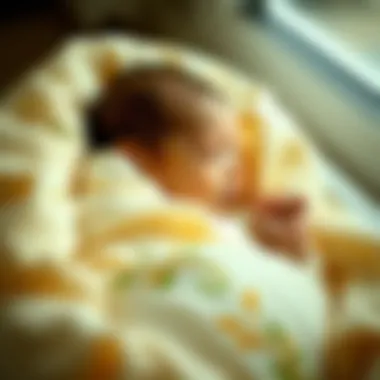

Lighting is the unsung hero of photography that can make or break an image. For newborn photography, the right lighting creates softness and warmth, key qualities when capturing these delicate subjects. Consider the following strategies:
- Natural Light: Wherever possible, opt for natural light, such as diffused sunlight streaming in through a window. This creates a gentle and flattering glow on the baby’s skin, which is often more appealing than harsh artificial light.
- Golden Hour: Early morning or late afternoon, known as the golden hour, provides optimal lighting conditions for soft shadows and subtle colors. Scheduling your shoots during these times can yield breathtaking images.
- Using Reflectors: A simple reflector can bounce light, filling in shadows and enhancing the baby’s features without causing discomfort.
Composition is equally critical. Adhere to the rule of thirds to draw attention to the baby and create a balanced shot. For example, placing the baby slightly off center can provide a more dynamic composition. Also, experimenting with angles—shooting from above, below, or at eye level—can evoke different emotional responses, adding depth to your photographic story.
"The simplest of techniques can sometimes yield the most profound results, especially in the art of capturing life’s tenderest moments."
These insights into effective usage of swaddle wraps in photography help in mastering the art of newborn photography, ensuring safety, comfort, and creativity all come together harmoniously.
Safety and Comfort Considerations
When it comes to photography swaddle wraps, prioritizing safety and comfort is not just a good practice—it’s a necessity. Newborns are delicate beings, and their welfare should always come first, especially during a shoot that requires positioning and potential adjustments. By ensuring that the wraps used are safe and conducive to comfort, photographers can capture those picturesque moments without compromising the well-being of the smallest clients.
Safety Guidelines for Photographers
Photographers need to be armed with knowledge about safety guidelines before embarking on a newborn shoot with swaddle wraps. Here are some crucial points to keep in mind:
- Review Product Safety Standards: Always choose wraps that meet safety standards set by regulatory bodies. Fabrics should be free from harmful chemicals, dyes, or small parts that could be a choking hazard.
- Secure Wrapping Techniques: Learn and practice proper swaddling techniques. A snug wrap will not only keep the baby secure but will also avoid any potential slipping.
- Never Leave Unattended: It’s vital to ensure that an adult is always present during the shoot to monitor the baby's condition and comfort.
- Handle with Care: Newborns are fragile. Always move and adjust them gently, especially when changing positions or wrapping.
Photographers also need to recognize the signs of distress in infants—such as crying, arching their back, or sudden movements—and be prepared to address these quickly.
Ensuring Infant Comfort
Ensuring the comfort of the newborn is paramount for a successful photography session. A comfortable baby is more likely to sleep peacefully and pose beautifully. Here are some approaches to assure comfort:
- Choose Soft Fabrics: Opt for natural, breathable materials like cotton or bamboo. These choices are gentle against the skin, reducing the risk of irritation.
- Warm the Environment: A suitably warm room can help soothe the baby. Cold can lead to fussiness. Consider using space heaters (with precautions) to achieve a cozy atmosphere.
- Use Padding: Underneath the wraps, laying down a soft blanket or foam pad can offer extra cushioning, making the baby feel more secure and less stiff.
By creating a nurturing environment and using soft materials, photographers can make the experience much more enjoyable for both the infant and the parents.
Monitoring Temperature during Shoots
Temperature control is another vital aspect when photographing newborns in swaddle wraps. Babies are more sensitive to temperature changes, which means maintaining an optimal climate is key:
- Thermometer Checks: Use a thermometer to keep an eye on room temperature. Ideally, the shooting space should be between 72-75°F (22-24°C).
- Layering for Comfort: When swaddling a baby, layering the wrap can help regulate the temperature. A lightweight muslin swaddle can be layered with a thicker knit wrap if necessary.
- Be Aware of Baby’s Cues: Watch for signs of overheating, like flushed cheeks or sweat. If any discomfort appears, adjustments must be made promptly.
Always remember, comfort leads to calmness. A relaxed baby means happy parents and stunning photos.
By paying attention to these elements of safety and comfort, photographers not only safeguard the well-being of their subjects but also create a serene atmosphere that brings out the best in their photography. Proper practices instill trust, strengthen the photographer-client relationship, and contribute immensely to the overall experience.
Trends in Swaddle Wrap Photography
In the evolving realm of newborn photography, trends in swaddle wrap photography hold significant weight. The right swaddle can turn an ordinary shot into a breathtaking piece of art. Emerging styles, the influence of social media, and cultural variations all contribute to the current landscape, reflecting changing tastes and preferences among photographers and parents alike.
Emerging Styles in the Industry
As styles shift, photographers find themselves innovating beyond traditional practices. New textures and colors breathe fresh life into swaddle wraps, allowing for a wider range of creative expression. For instance, combining soft, muted colors with organic textures can provide a serene, ethereal quality in photos. Many photographers are opting for more bohemian aesthetics, characterized by earthy tones and unrefined shapes. This trend seems to resonate well with modern sensibilities that favor authenticity over polished perfection.
Moreover, the rise of minimalist designs is on the rise as many aim to focus on the baby rather than the wrapping itself. Instead of vibrant patterns, simple wraps that allow natural skin tones to shine tend to work better in highlighting the child's innocence.
Another noteworthy trend includes the use of layering techniques. Instead of a single wrap, multiple fabrics in different textures can create depth, enriching the visual narrative of the photograph. This variety gives rise to unique outcomes that can enhance storytelling within a single frame.
Influence of Social Media
Social media’s profound impact on photography is undeniable. Platforms like Instagram and Pinterest offer spaces where creativity flourishes. Photographers, often inspired by each other’s work, seamlessly exchange ideas about swaddle wrap styles and techniques, accentuating current trends. The fast-paced nature of these platforms fosters an environment conducive to experimentation.


Images tagged with #newbornphotography consistently showcase the latest swaddle designs, serving as reference points for what’s currently popular. It’s a chain reaction: once one style gains traction, it spreads quickly, often morphing in the hands of diverse artists. The viral nature of these platforms allows emerging styles to quickly evolve or, on the flip side, become oversaturated.
In addition, tutorials and tips shared on such platforms can enhance photographers' skills, teaching them the intricacies of effective swaddling techniques. This knowledge not only broadens their expertise but also influences parents seeking to capture memorable moments at home.
Cultural Variations in Swaddling Practices
Swaddling is not a practice limited to a single culture. Various regions embrace their unique methods and styles, enriching the overall photography landscape. For instance, in some African cultures, bright fabrics adorned with traditional prints are favored, offering a vivid backdrop that tells a story of heritage. Meanwhile, Scandinavian designs have taken the world by storm, characterized by simple colors and clean lines, focusing on a calm aesthetic that pairs well with soft light.
Interestingly, in Japan, minimalist elegance prevails, with swaddles often reflecting seasonal themes and natural elements, promoting a deep connection to nature. This stylistic diversity not only influences how swaddle wraps are photographed, but also portrays a broader narrative of values across cultures, reminding us of the rich tapestry that contributes to infant photography.
The beauty of photography lies in its capacity to evolve with its practitioners. Fashion designers, tailors, and bloggers must embrace these trends to keep their work relevant and engaging.
As this field continues to grow, it will be fascinating to observe how each new wave of creativity shapes our perception of swaddling in photography.
Practical Tips for Parents
Navigating the realm of photography swaddle wraps can be both exciting and daunting for parents. This section dives into practical tips aimed to empower parents in choosing, crafting, and utilizing swaddles at home. The significance lies in the balance of aesthetics and comfort, ensuring the newborns are not only visually captivating but also safe and snug.
Selecting the Best Wraps for Home Use
When it comes to selecting swaddle wraps for home usage, parents should prioritize both quality and comfort. Here are some key elements to consider:
- Fabric Type: Look for soft, breathable materials such as cotton or bamboo. These fabrics are gentle against a newborn’s sensitive skin.
- Size Matters: Ensure the swaddle is large enough to accommodate growth yet not too cumbersome. A 40"x40" size can often provide enough coverage without overwhelming the baby.
- Ease of Use: Opt for wraps that are simple to secure, preferably those that come with Velcro or ties. This makes swaddling straightforward, especially when adjusting to newborn squirming.
- Washing Considerations: Check if the wrap is machine washable and can maintain its texture and color after numerous washes. Durability can save parents a headache down the road.
Ultimately, selecting the right swaddle should align with the parents’ personal style and the baby’s comfort.
DIY Swaddle Wrap Projects
For the crafty parents, creating your own swaddle wraps can be a rewarding project. Here’s a quick guide to whip up your own:
- Materials Needed: Choose cotton or muslin fabric for softness. A yard of fabric should suffice for a basic wrap.
- Cutting and Sewing: Cut the fabric into a large square, around 40 inches on each side. If sewing isn’t in your skill set, consider hemming the edges to prevent fraying without needing to sew.
- Personalization: This is where creativity shines. Add a whimsical touch by using fabric paint or embroidery to monogram your child's initials or include a meaningful symbol.
- Budget-Friendly Tips: Check out local fabric stores or online marketplaces for discounted or remnants of fabric.
This homemade touch not only personalizes your newborn’s swaddle but also weaves in treasured family moments with each use.
Capturing Moments at Home
Capturing those fleeting newborn moments can be truly magical, and photography swaddle wraps can elevate your images significantly. Here are some essential tips to consider:
- Lighting: Natural daylight works wonders. Find a spot near a window during the golden hour—early mornings or late afternoons where gentle, warm light can bath your newborn in a soft glow.
- Positioning: Don’t shy away from angles. A slightly overhead shot can perfectly highlight the swaddle design and cradle the sleeping baby’s serene expression.
- Layering Textures: Incorporate blankets or quilts beneath the swaddle. This adds depth and interest to the photos, creating a cozy composition that narrates warmth and safety.
- Play with Accessories: A simple prop—like a small stuffed animal or a favorite book—can enrich the scene, giving context and character without overcrowding.
"Photographs are about capturing moments, and a well-crafted swaddle wrap adds that extra touch of beauty to each click."
For additional resources on fabric care and swaddling techniques, check out Wikipedia or local health sites such as CDC.
The Future of Photography Swaddle Wraps
The future of photography swaddle wraps is an exciting and evolving frontier in newborn photography. As styles and preferences continually change, swaddle wraps are adapting to meet the needs of modern parents and photographers alike. The importance of understanding upcoming trends lies in the ability to harness these innovations, which not only enhance the visual appeal of newborn photography but also prioritize safety and comfort. In a world where the aesthetic game is strong, knowing what’s on the horizon can help photographers make informed choices that resonate with their clientele.
Innovations in Design and Fabric
The evolution of design and fabric used in photography swaddle wraps is breathtaking. Nowadays, manufacturers are experimenting with a wider variety of textures, colors, and patterns. For example, the emergence of microfiber blends offers a silky smooth drape that can elevate the overall look of any photoshoot. Moreover, new weaving techniques create fabrics that are not just visually appealing but also breathable and lightweight, allowing for better comfort and flexibility when wrapping newborns.
Innovations like adjustable wraps and built-in pockets for props are also gaining ground, enabling photographers to be more versatile in their approach. The availability of customizable options means that each wrap can be tailored specifically to a photoshoot's theme, enhancing creativity. Furthermore, technology has crept into the fabric realm as well. Smart fabrics that can regulate temperature or monitor an infant's comfort level are on the horizon, suggesting a future where swaddle wraps are not just stylish but also provide functional benefits to ensure safety.
Sustainability Trends and Implications
Sustainability is not just a buzzword; it's increasingly becoming a defining quality in swaddle wrap production. With consumers leaning towards environmentally friendly options, manufacturers are responding to this demand with sustainable materials. Fabrics made from organic cotton, bamboo, and recycled fibers are becoming prevalent. This shift has significant implications not only for the industry but also for ecology. When photographers choose sustainable swaddle wraps, they contribute to a cycle of positive environmental impact, which resonates with eco-conscious families who are eager to purchase items that reflect their values.
Adapting to these sustainability trends presents a unique opportunity for educators and bloggers to promote awareness and understanding of responsible consumerism in photography. Instructors could emphasize the importance of making informed choices around the materials used, discussing which products are both safe for infants and better for the planet. Additionally, platforms that focus on sustainable fashion could feature dialogue around how these changes influence design thinking and marketing strategies.
"The future of photography swaddle wraps is not just about the appeal of the fabric, but the responsibility that comes with choosing the right materials."